


He believes he’s had no impact—is he wrong?
Story by: Matt Baume
Photography by: Courtesy of Peter Berlin
April 8, 2020
Peter Berlin is surprised that I’m calling him at the time we agreed to.
“You are on time!” he exclaims, his German accent just a shade off of Werner Herzog’s. I tell him I try to be punctual, and he hums with recognition. “I am a good German,” he says. “I’m always on time.”
Whether on schedule or by surprise, it’s always an excellent time to spend an afternoon listening to the philosophical musings of Peter Berlin, the legendary model, pornstar, and professional leatherman whose iconic, sexualized photographs defined cis white gay erotica in the 1970s. ” Whether they realize it or not, Instagram THOTs owe a debt of gratitude to the man who invented their line of work.
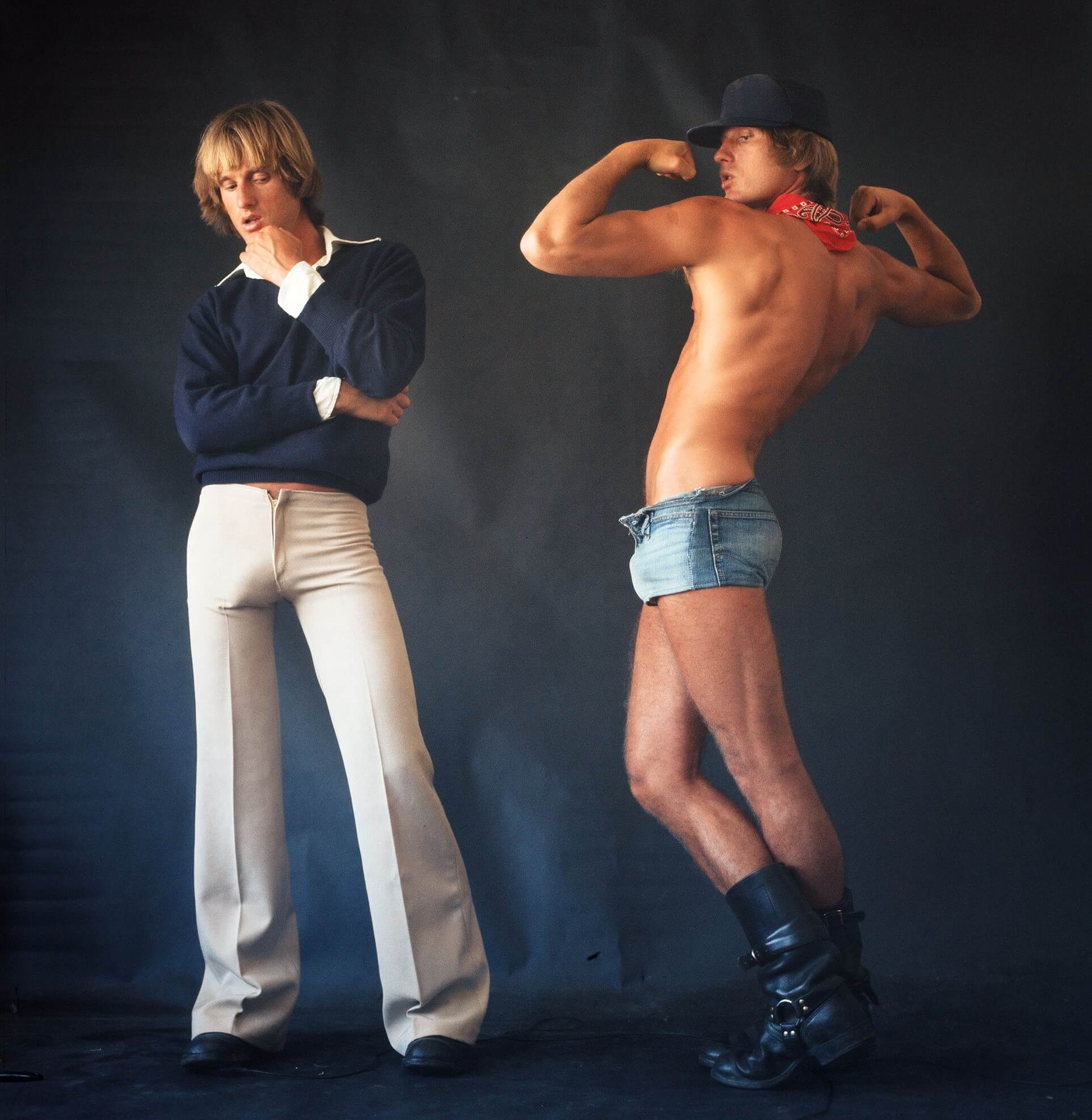
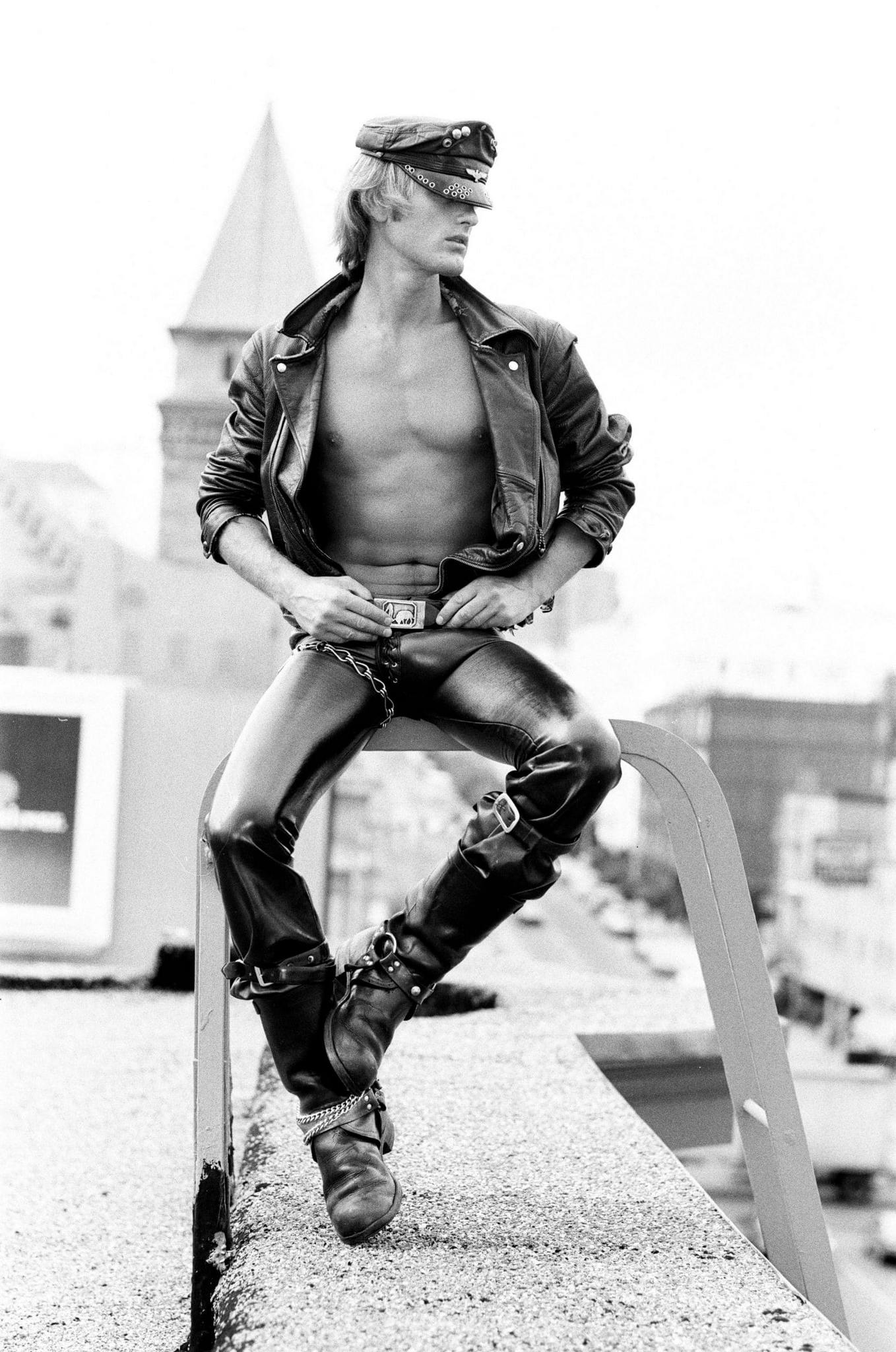
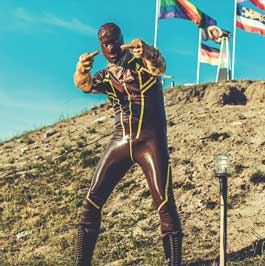
Now aged 77, Berlin became famous for essentially being himself—or at least for capturing himself in front of a camera. Starting as a professional photographer in Germany, he began to create iconic images of himself in over-the-top sexualized poses, and he quickly grew a fandom of followers obsessed with his muscular physique, lewd clothing, and the carefully cultivated persona of a gay exhibitionist on a quest for endless sexual attention.
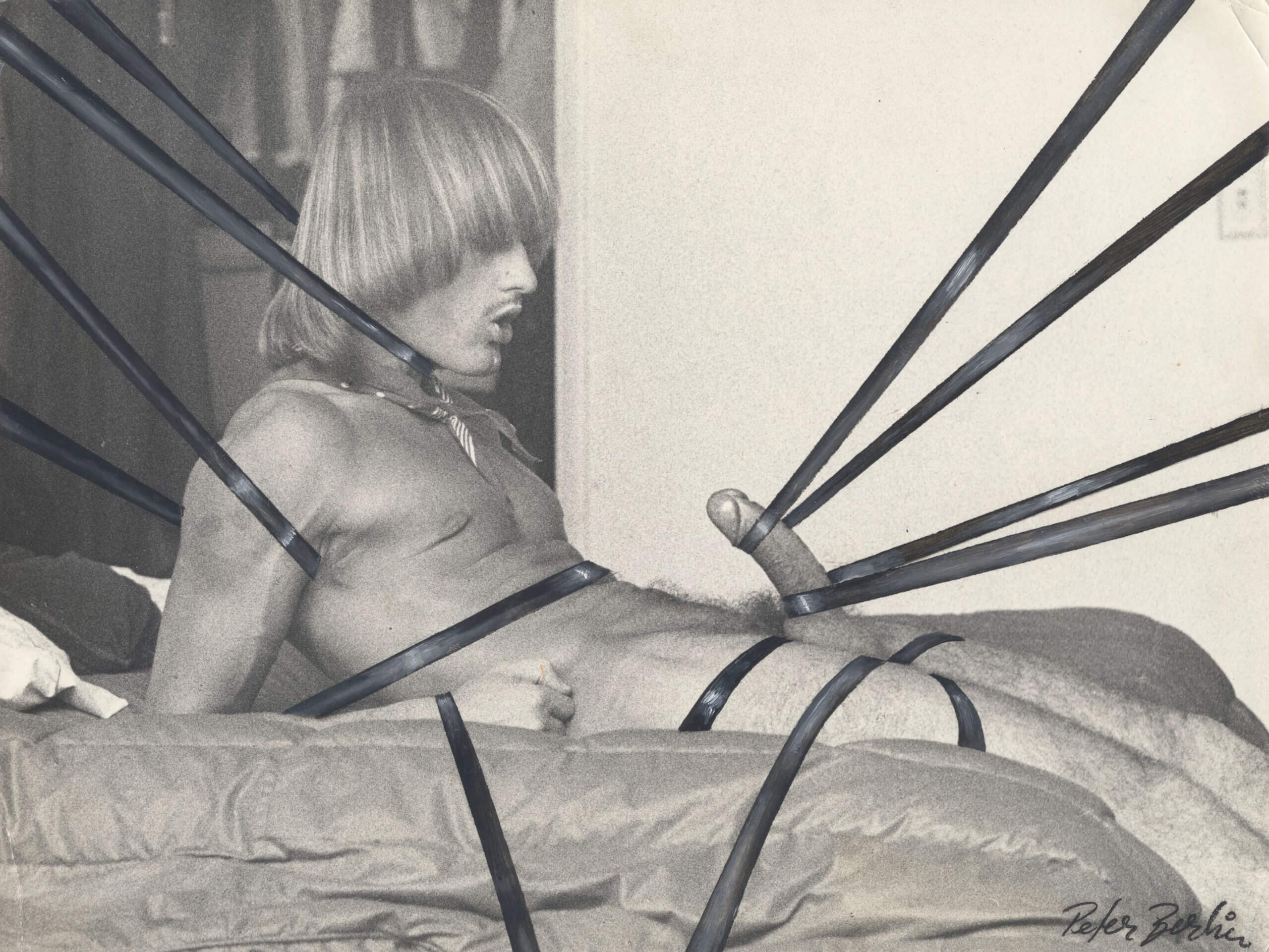
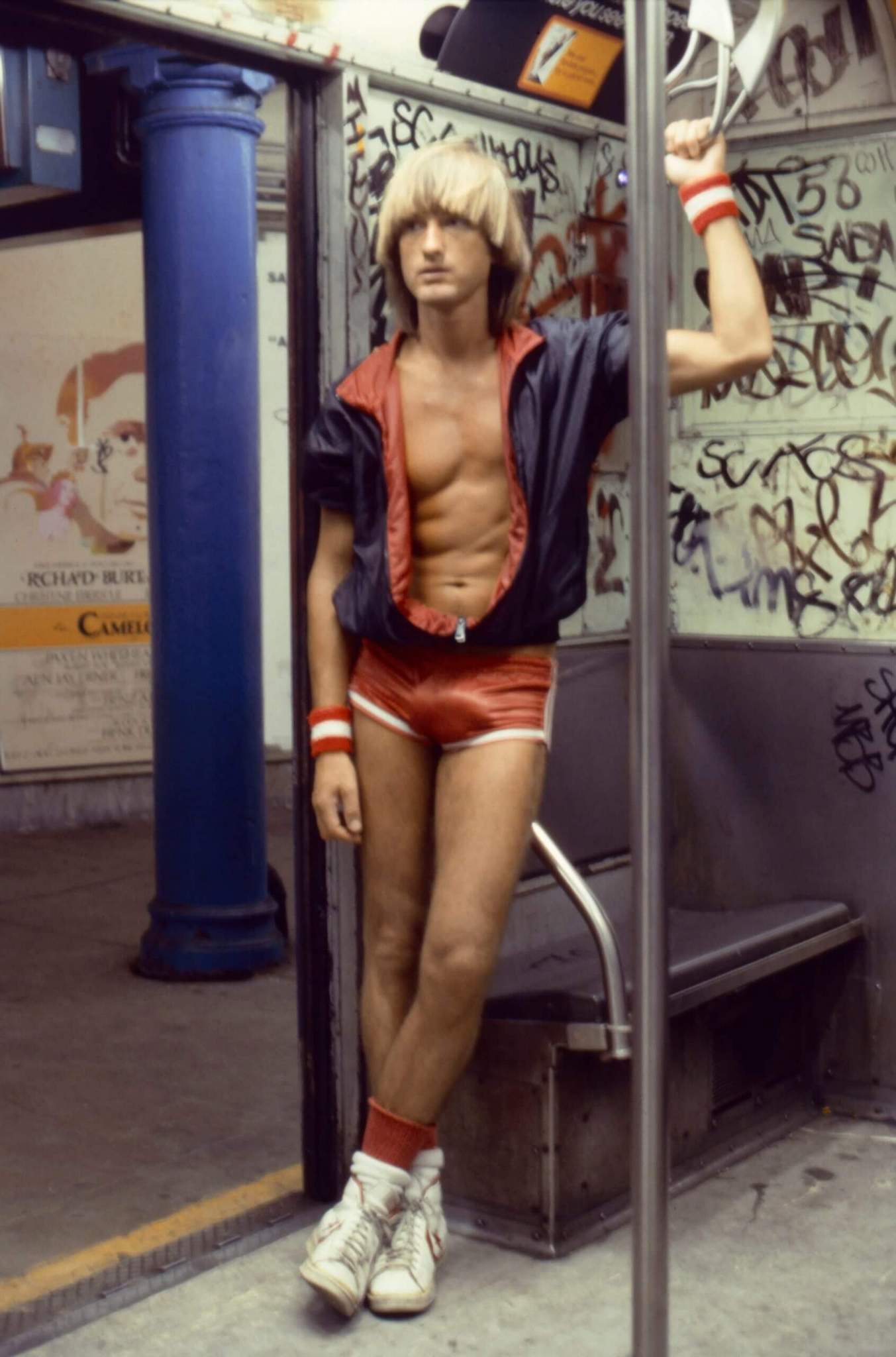
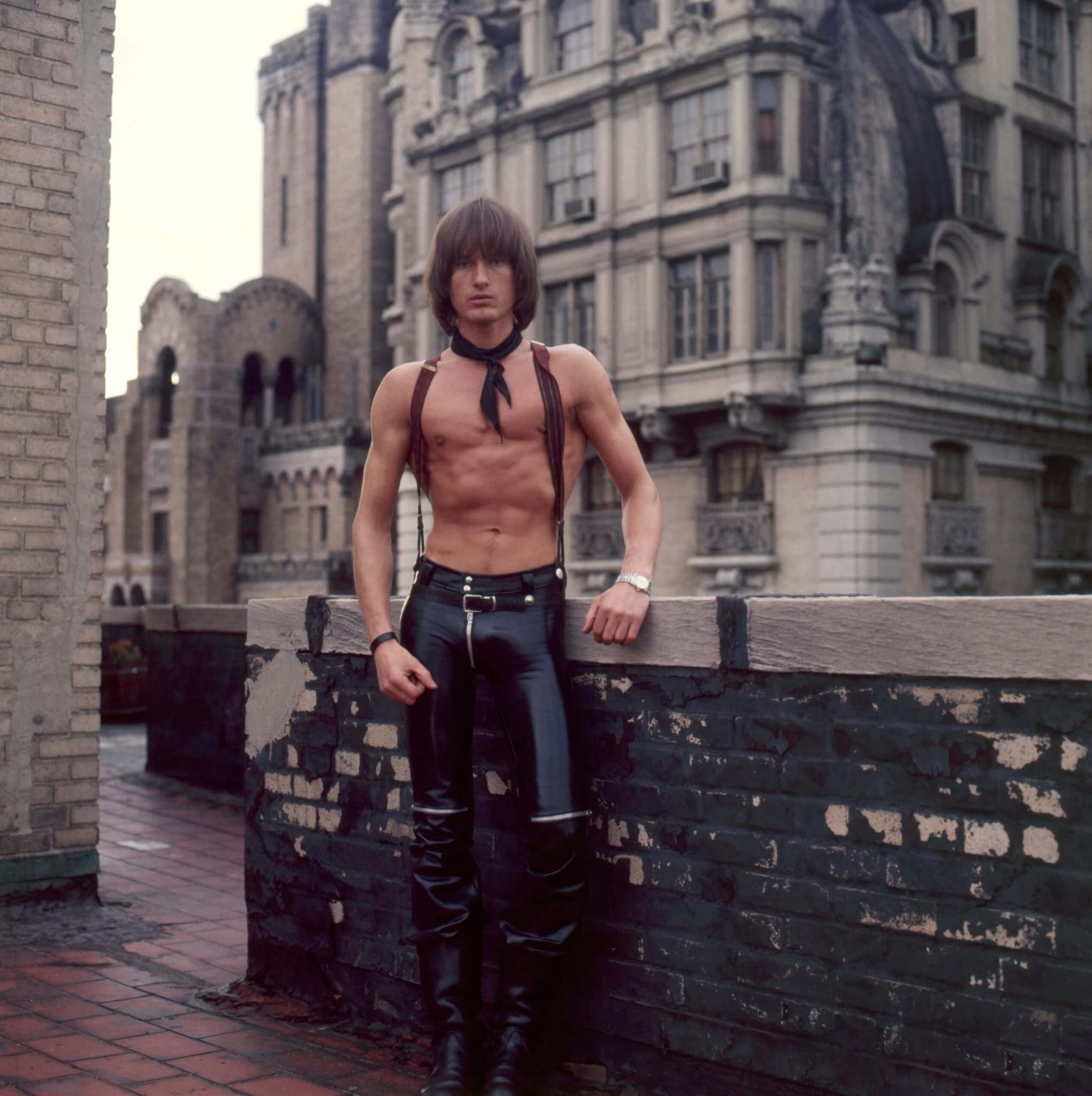
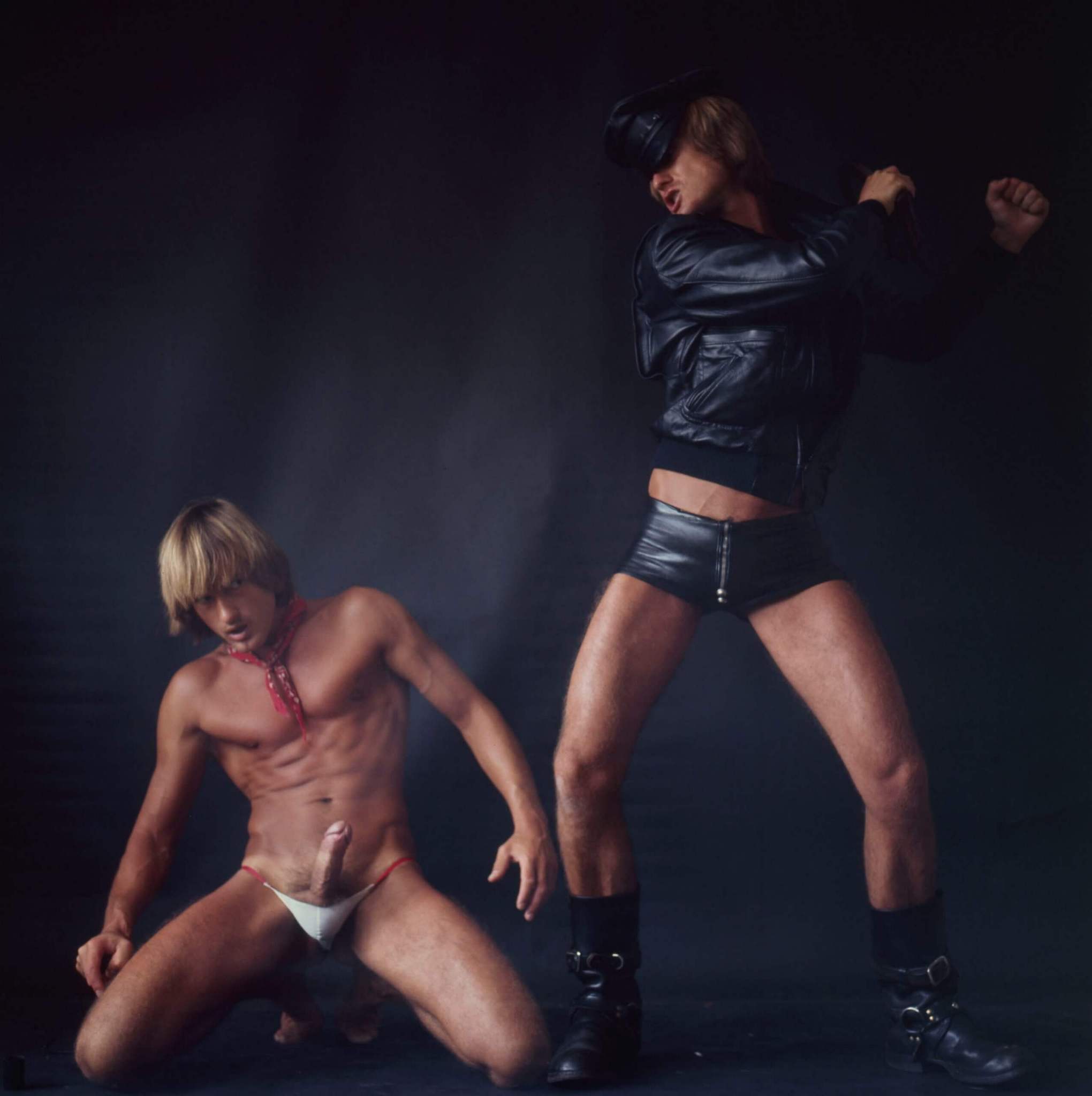
Many of Berlin’s finest portraits are collected in a new book, Peter Berlin: Icon, Artist, Photosexual. Spanning the most fertile years of his modeling and cruising career, the book is a catalog of provocative clothing and tantalizing poses. Its publication finds Berlin in a ruminative mood, reflecting on his legacy, or what he sees as a lack thereof.
“His lewd poses and jutting crotch, with outfits sewn by Berlin himself to hug the contours of his dick, are arguably the foundation of today’s gay erotic DIY photography, even though he disputes the extent of his influence.”
“The only thing that I’m regretting, looking back, my God, what is the impact?” he says. “There is no impact at all—maybe on the individual stories. I have a good friend, a German photographer who said, ‘I saw your picture when I was 12, I had a good time with your image.’ I say, ‘Okay, I gave some good times to some people.’ … But the reason I’m saying I feel like a failure is I would have liked to have had imitators. I would have liked to have had a lot of Peter Berlins running around.”
Walk the right streets in San Francisco, New York, or London, and you just might catch a glimpse of a clone with a bulbous crotch and bare chest. But local imitators aren’t of interest to Berlin. “I would like to see [imitators] at least once in a while in the award shows, like the Grammys or the Academy Awards,” he says. “I want to see those guys on the cover of, for instance, Vogue magazine or Time magazine.”
His disappointment isn’t limited to magazines and award ceremonies; he’s also let down by mainstream gay characters on television today, who are presented like sexless mannequins—or worse, heterosexuals. “The gay characters on shows, they don’t look like Peter Berlin,” he says. “They look like anybody else. You’ll not see a hint of a dick.”
His voice takes on a bewildered, melancholy tone as he thinks back to more sexually adventurous decades. He believes that as a culture, we’ve become more conservative since the 1970s; our culture has gone backward, and sex is now thought of as shameful.
When Berlin first started modeling for his own camera, he rode a wave of erotic interest from the sexual revolution of the ’60s that seemed as though it would carry on indefinitely. Tastemaker André Leon Talley called Berlin “the male version of Mae West,” and according to a recent profile in W magazine, designer Telfar Clemens credited him with inventing the genre of fashion porn, which can be defined as either using erotica to sell couture or vice versa.
At the time, gay men had few role models, and even fewer who reveled openly in their sexuality. Berlin dismissed the closeting of figures like Rock Hudson, and was unwilling to sacrifice pleasure to chase mainstream approval. The Peter Berlin that the public saw was a repudiation of cringe-worthy efforts to win over the straights by becoming “respectable.”

Berlin’s message was that indecency is fun. And, for a time, many agreed. Pornographic films like Deep Throat and Boys in the Sand earned mainstream interest, if not approval, in the early ’70s. Berlin, meanwhile, branched out from stills into two feature-length films: Nights in Black Leather came first in ’73, followed by the somewhat more modest That Boy the next year, in which Berlin launches into sexual escapades, then reports back to the audience in a confessional style that anticipated the confessionals of reality TV today.
Both films were huge hits by queer art-porn standards, earning international acclaim and playing in cinemas around the world for years. That catapulted Berlin to stardom among a cohort of queer men eager to follow in his footsteps, crafting sexualized caricatures of their own to embark on sexual escapades. Berlin was sought after by the likes of Jean Paul Gaultier and Andy Warhol.
But within a decade, the HIV/AIDS epidemic decimated the community, and priorities shifted from sexual liberation toward caution and survival. Berlin’s photos, films, and persona all exuded a nonchalant hedonism that aged poorly with the epidemic in the ’80s and ’90s, and Berlin’s legacy began to fade as his fans passed away.
“I lived when all my friends died,” Berlin says. “In the mid-’80s, that’s where things started… having a stigma of dying because of gay sex; that was the start of the decline.”
Berlin feels as though gay men’s attitudes toward sex remain mired in the cautiousness of decades past. “We went backwards,” he says. “I’m scratching my head—I never would have thought I’d be living in a world where sex became something toxic.”
A lot has changed since then, and for many, sex isn’t seen as toxic. People living with HIV, who have an undetectable viral load for at least six months, cannot transmit the virus to others; PrEP has transformed the definition of safe sex. Plus, Berlin’s perception of queer disinterest in exhibitionism discounts the gleeful displays of flesh to be found online. Real-life cruising may have changed since the ’70s, but the dicks didn’t go away; they just mostly went from public parks and bus stations to hook-up apps, Onlyfans, Pornhub, and (if you still know where to look) Tumblr.
“With half a century between them, Berlin’s provocative photos and today’s Instagays seem to be insurmountably separated—yet their desire to be seen is the same”
“I am not good with the computer,” Berlin admits. It’s a shame because if his legacy is to be found anywhere, it is online, which might be why he doesn’t perceive his own influence. While there are occasional resurgences of mainstream interest in his work—in the past year alone, he’s received glowing coverage from publications such as the New York Times and The Cut—his most active successors ply their trade in online gay bubbles, far from censorious mainstream platforms like awards ceremonies or Facebook walls.
We’re coming to the end of a nearly hour-long marathon of nostalgia and philosophy, and I almost lose the thread of the conversation as Berlin recounts, in roundabout terms, a relatively new phenomenon he’s observed: young people engaging in a sort of online broadcasting, wherein they point a phone at their faces and talk about whatever’s on their mind to an audience of strangers. I realize that he’s describing live streamers on YouTube and Twitch (an Amazon-owned service mainly focused on people chatting while they play video games).
I describe how I host live streams on both platforms, and I hear recognition and enthusiasm rise once again in his voice.
“This is what I would like!” he declares. “To go on the TV, with the Instagrams or the iPods…I don’t know the name. But I can’t do it on my own.”
With half a century between them, Berlin’s provocative photos and today’s Instagays seem to be insurmountably separated—yet their desire to be seen is the same. The devices may have changed, the laws may have loosened, and cultural tolerance for public displays of lust may have waxed and waned; fundamentally, though, the human desire to be seen, to be desired, and to leave a legacy is unbounded by technology and time. While it is seldom that you might encounter an exact imitator of Berlin’s aesthetic, particularly on the cover of Vogue, the spirit of his work remains alive and well in the online equivalents of the alleys, bathhouses, and public parks where he honed his energy in decades past.
“Berlin feels as though gay men’s attitudes toward sex remain mired in the cautiousness of decades past.”