


Born February 15, 1928. Died March 2, 1988
Story by: Nick Wafle
January 15, 2020
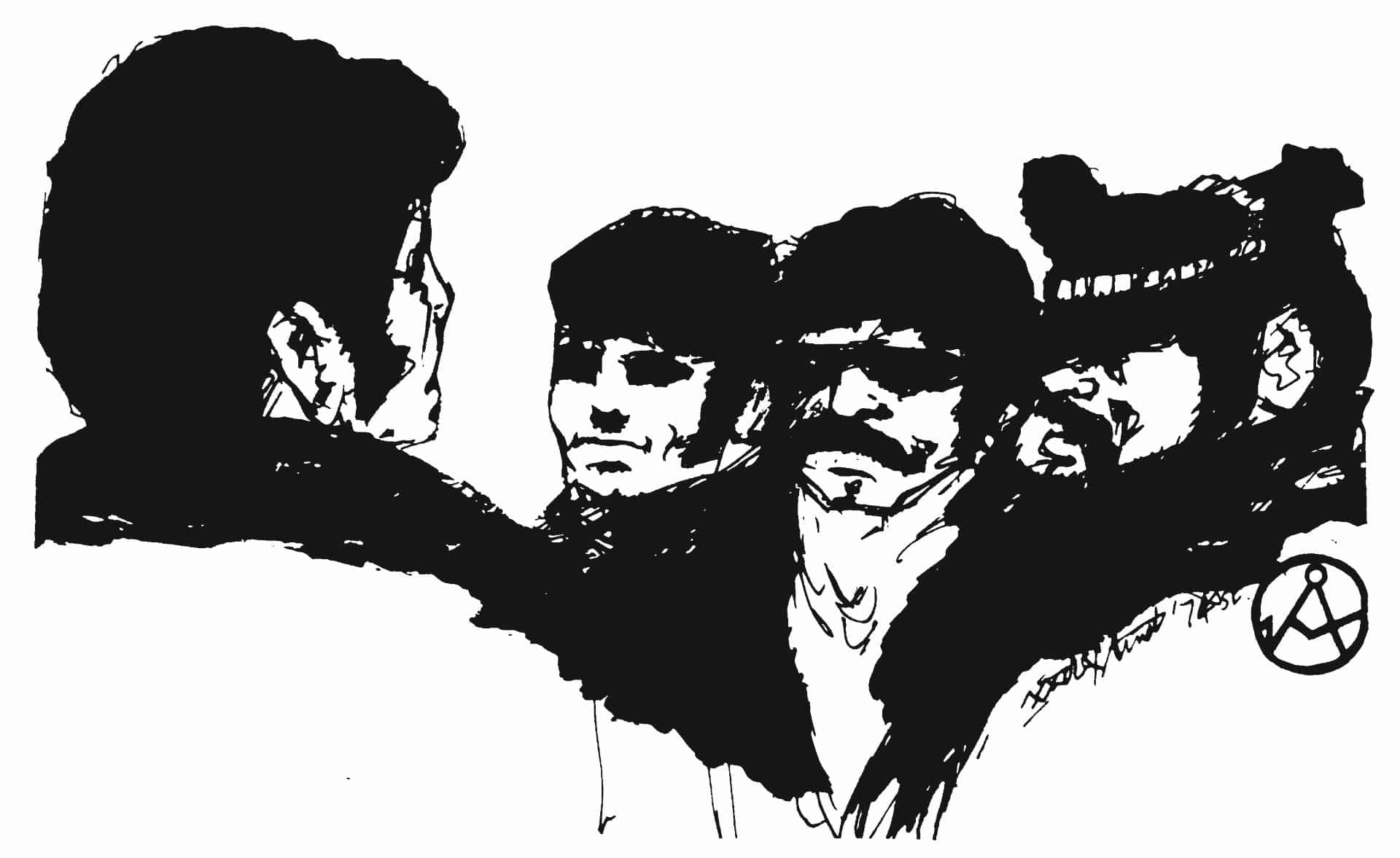
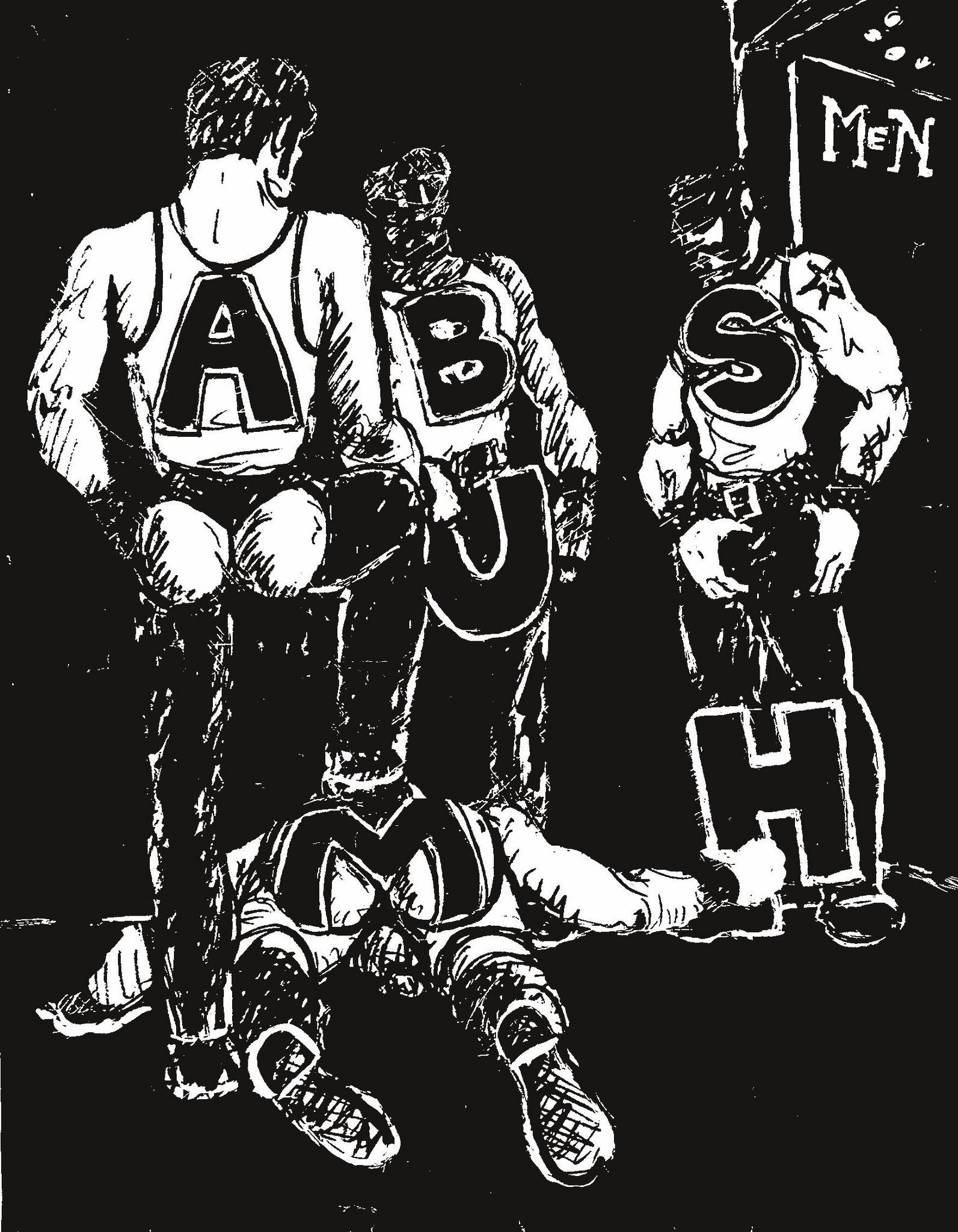
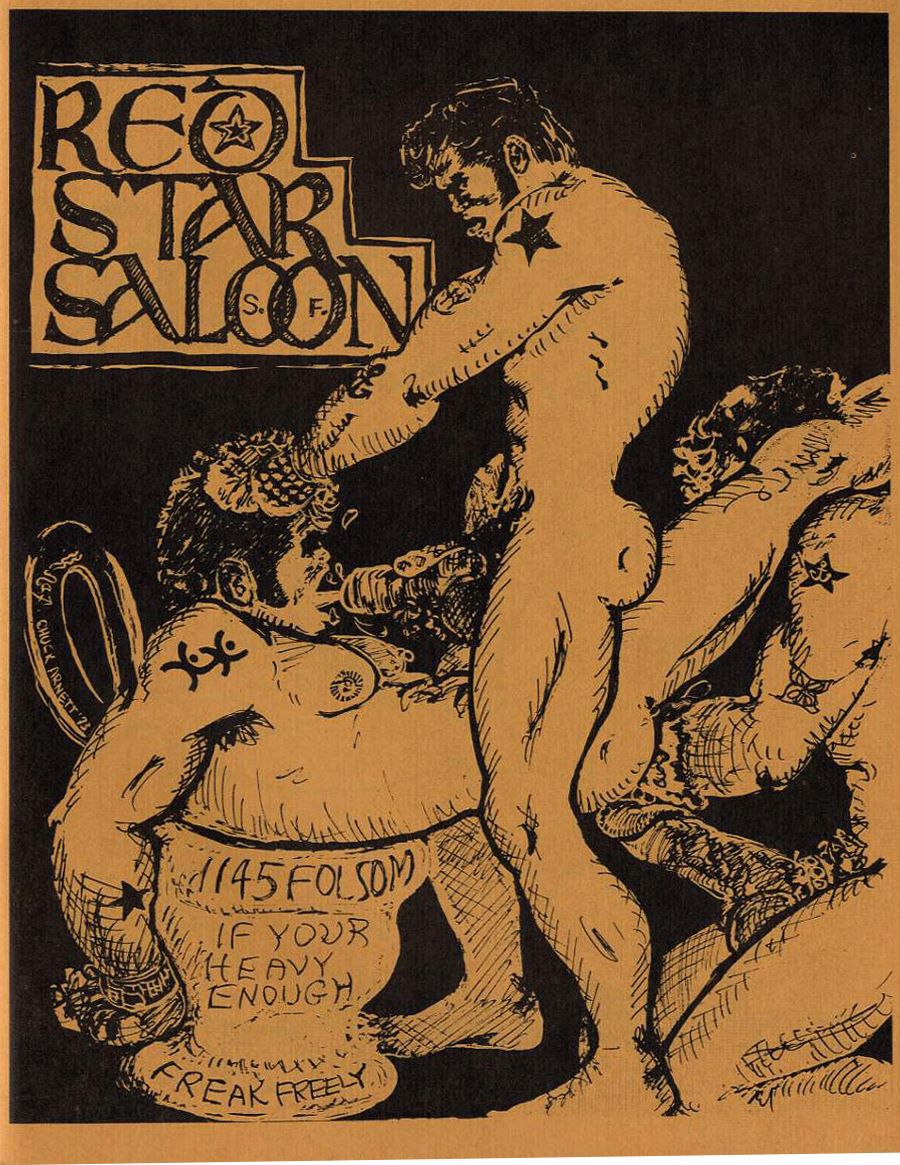
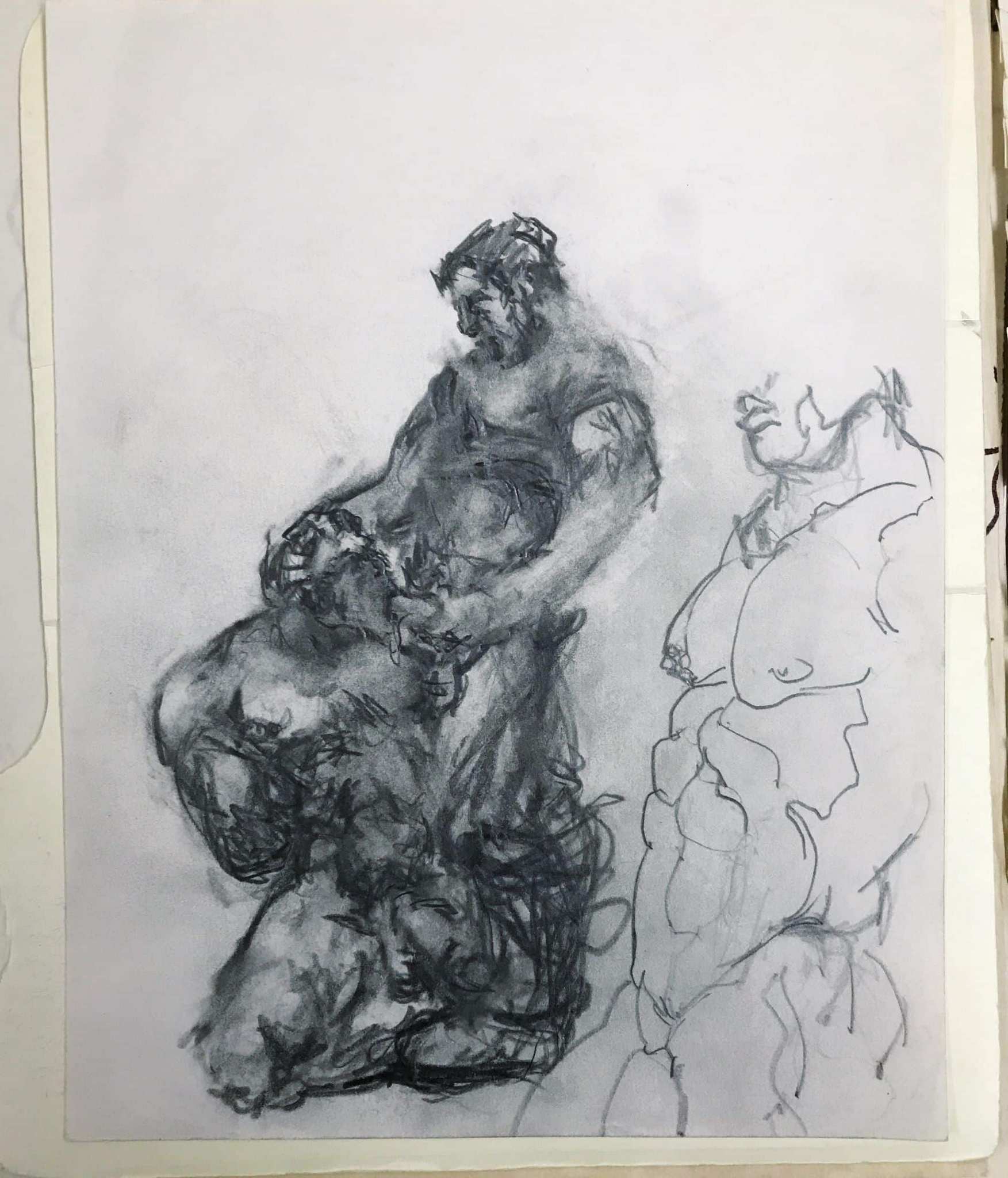
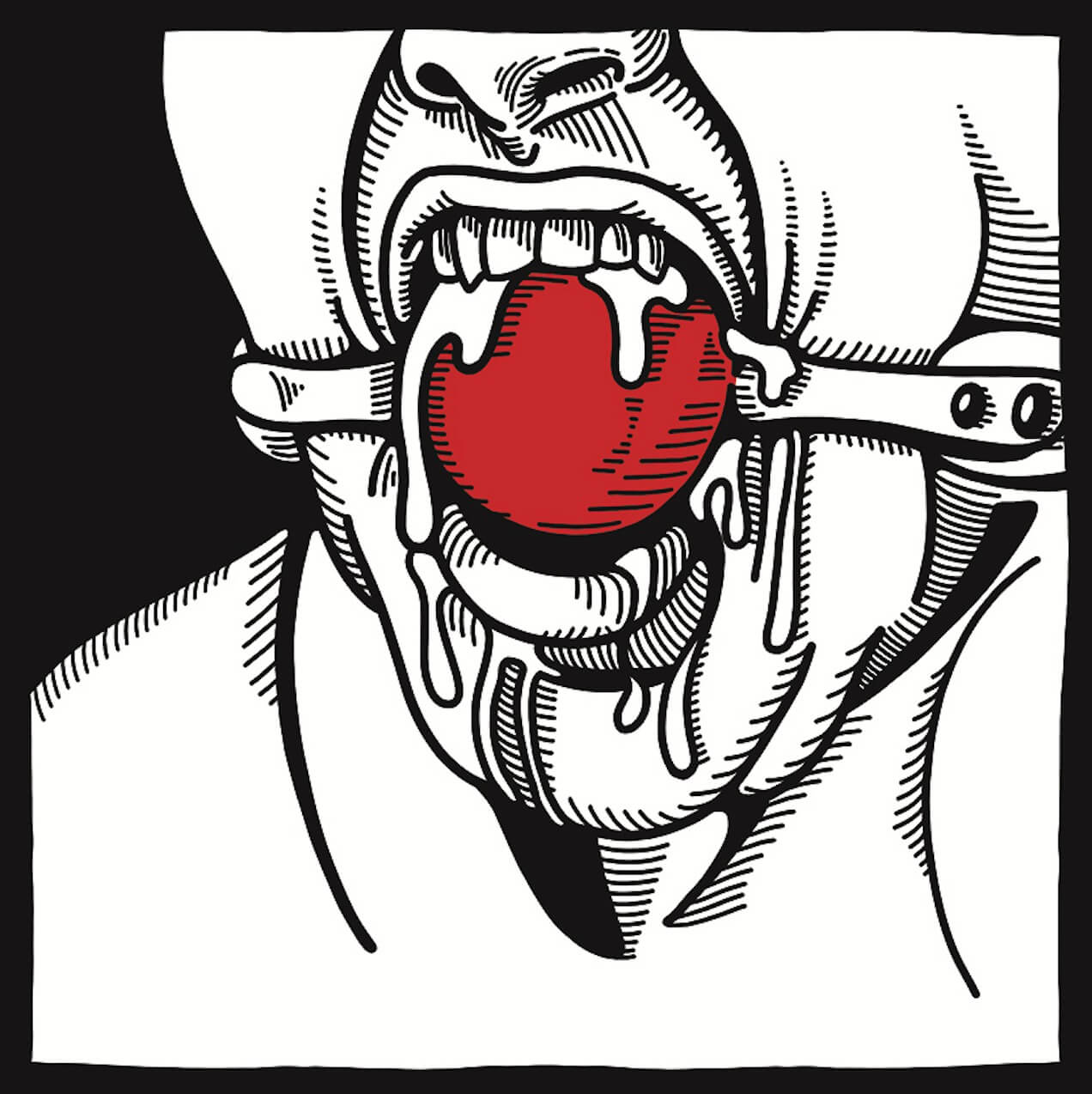
If San Francisco’s South of Market in the ’60s and ’70s had an iconographer, it would be Chuck Arnett. His work depicted this edgy era in a way that evoked the raw sexual energy of the time. There’s an economy of line in his work that looks like something scrawled on a wall in a fever dream; it channels the sex, drugs, and rock and roll of gay San Francisco back then, a relic of a time and place that was once at the forefront of gay liberation.
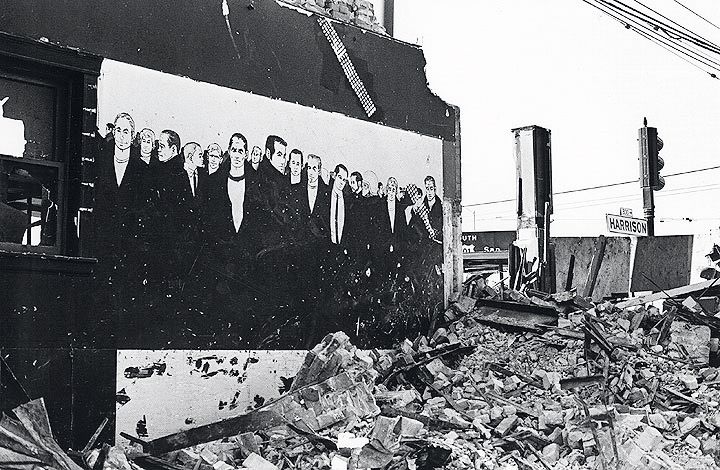
I discovered Arnett through the 1964 Life magazine article “Homosexuality in America.” The story included a haunting photograph of his mural at the leather bar Tool Box, with shadowy leathermen hanging out in front of it. Many guys claimed to have been drawn to San Francisco after seeing that article and realizing that there was a scene out there for men like themselves.
“It channels the sex, drugs, and rock and roll of gay San Francisco back then, a relic of a time and place that was once at the forefront of gay liberation.”
Arnett arrived in the city for very different reasons. He’d been touring the country as a dancer in Broadway shows when Tony Tavarossi, who owned San Francisco’s first gay biker bar, Why Not, offered him a job as a bartender after his run in Bye-Bye Birdie in Las Vegas. By the time Arnett got to San Francisco, the bar had shut down, but Tavarossi introduced him to the management of the new leather bar, the Tool Box, who hired him and subsequently commissioned him to paint the famous murals there in 1962.
As years passed, Arnett also fell in with the hippies and the Summer of Love subculture, which influenced his legendary murals for the Stud, one of the first gay bars on Folsom Street. Those murals were an intersection of the hippie and leather scenes with astrology woven into their kaleidoscopic pansexual imagery.
Shortly after that, he was hired to paint a series of blacklight murals for the Eagle’s Nest in New York, which were his only known commissions outside of San Francisco.
In the ’70s, Arnett came into his own, creating artwork for gay bars and clubs like the Slot, the No Name, the Red Star Saloon, and the Ambush. His work for the Ambush in particular was the ultimate expression of Arnett’s outlaw artistry with posters, matchbooks, and advertisements featuring his work. His drawings also decorated the walls of the bar.
“There is sex embedded in the jagged lines but this art wasn’t some idealized vision of gay sexuality.”

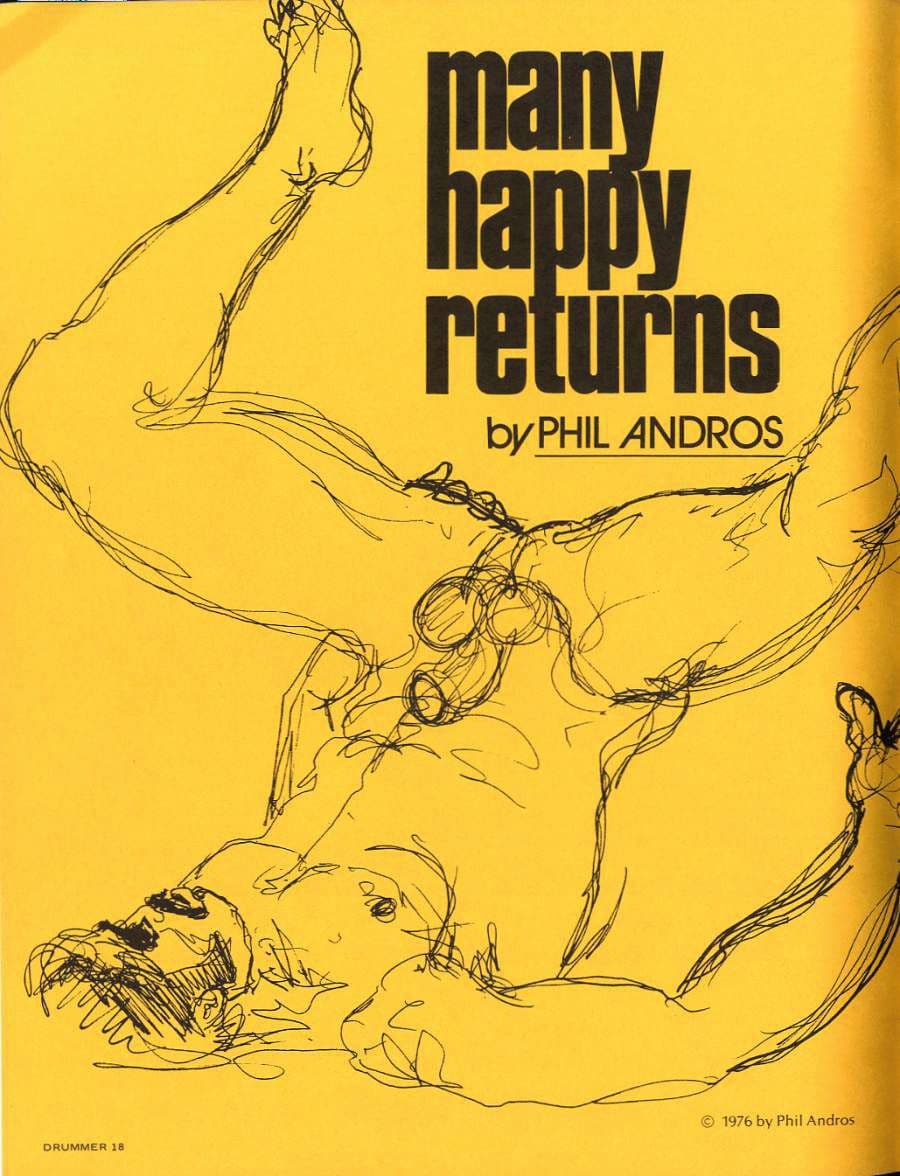
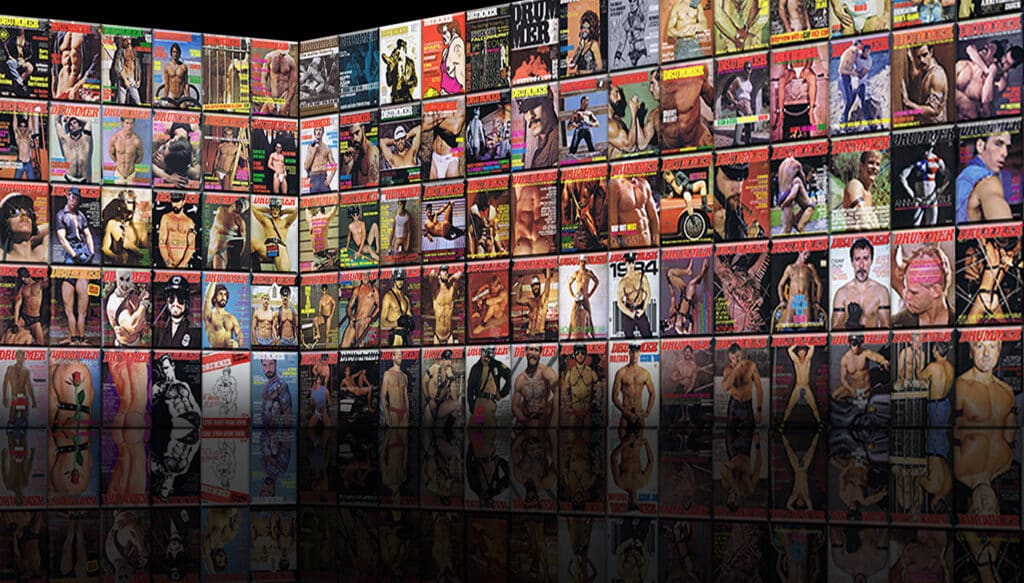
Arnett is also responsible for the cover of Drummer issue five from 1976. His drawings accompanied countless short fiction pieces in the magazine with unique sketches: bodies trailing off into the margins as if you are looking at a sheet torn from the artist’s dirty sketchbook.
There is sex embedded in the jagged lines, but this art wasn’t some idealized vision of gay sexuality. It was real, raw, hard, twisted, and horny (likely due to the speed, acid, and fistfucking that permeated the scenes that he moved between).
There’s something ghost-like about the images left behind by Arnett that reminds us of those who came before us, many of whom were lost to the plague. Viewing his work imparts a little bit of leather sex magic in us all, which was surely this Drummer legend’s intentions.