






Born August 20, 1927. Died July 24, 1996
Story by: Nick Wafle
Photography by: Bill Ward
October 18, 2020
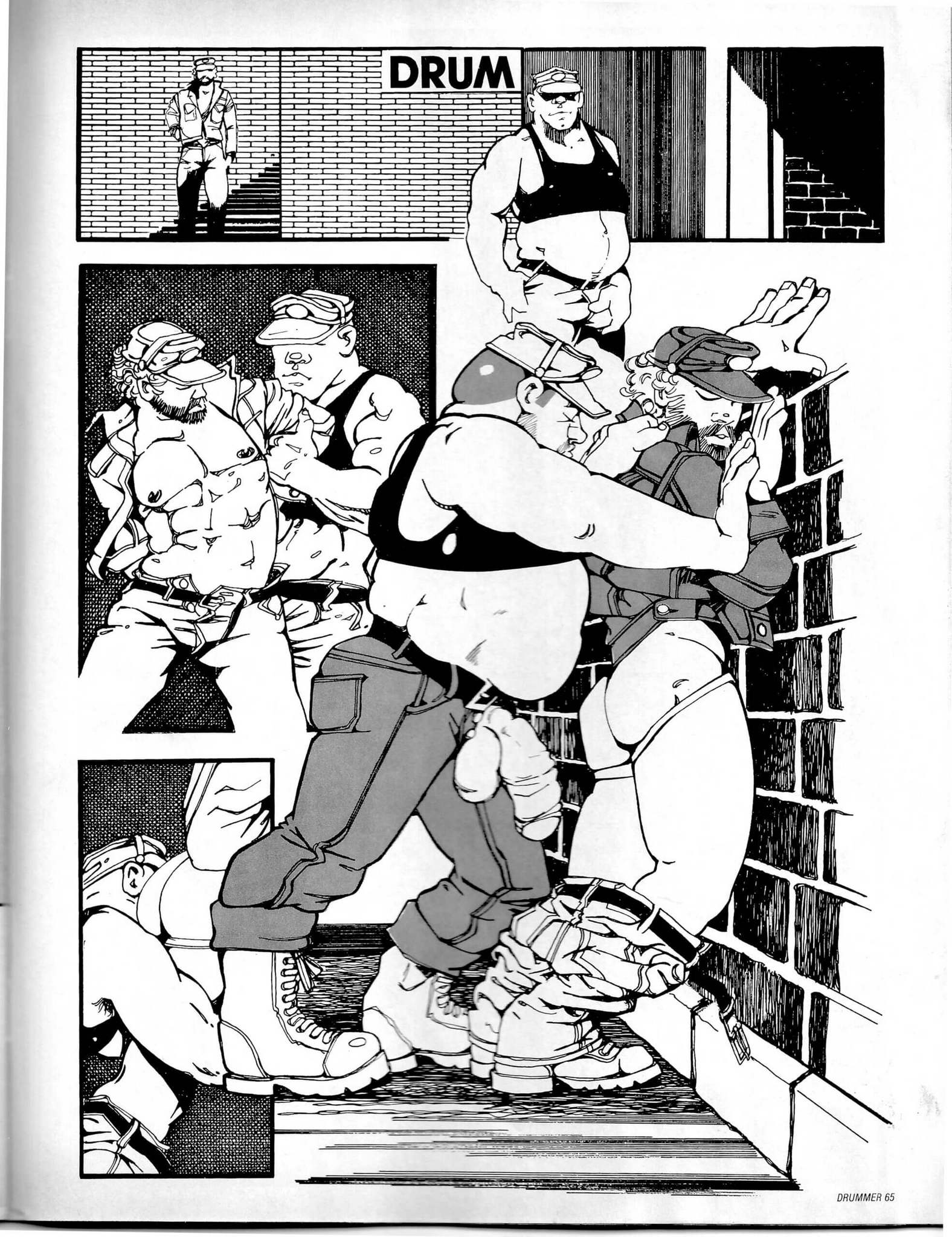
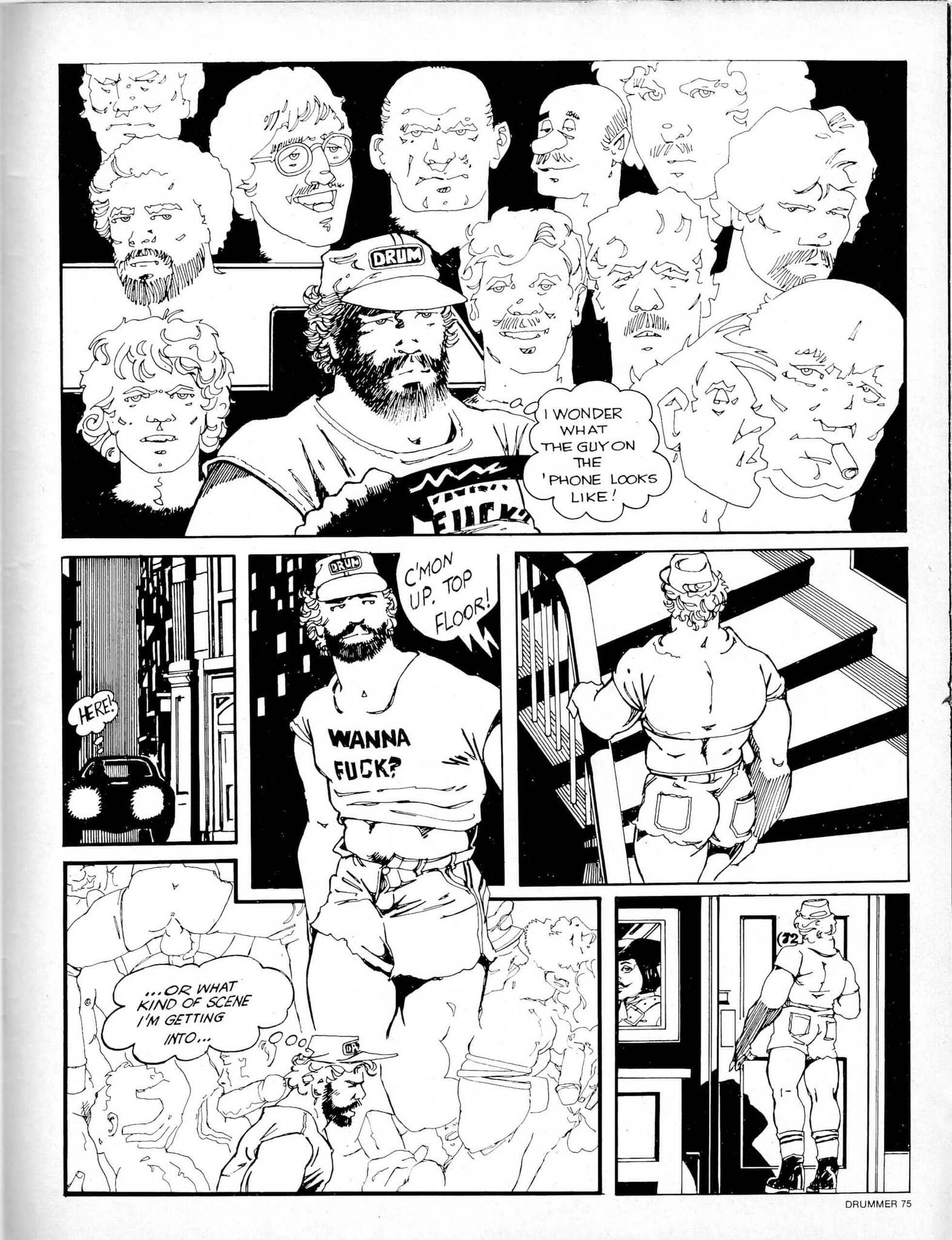
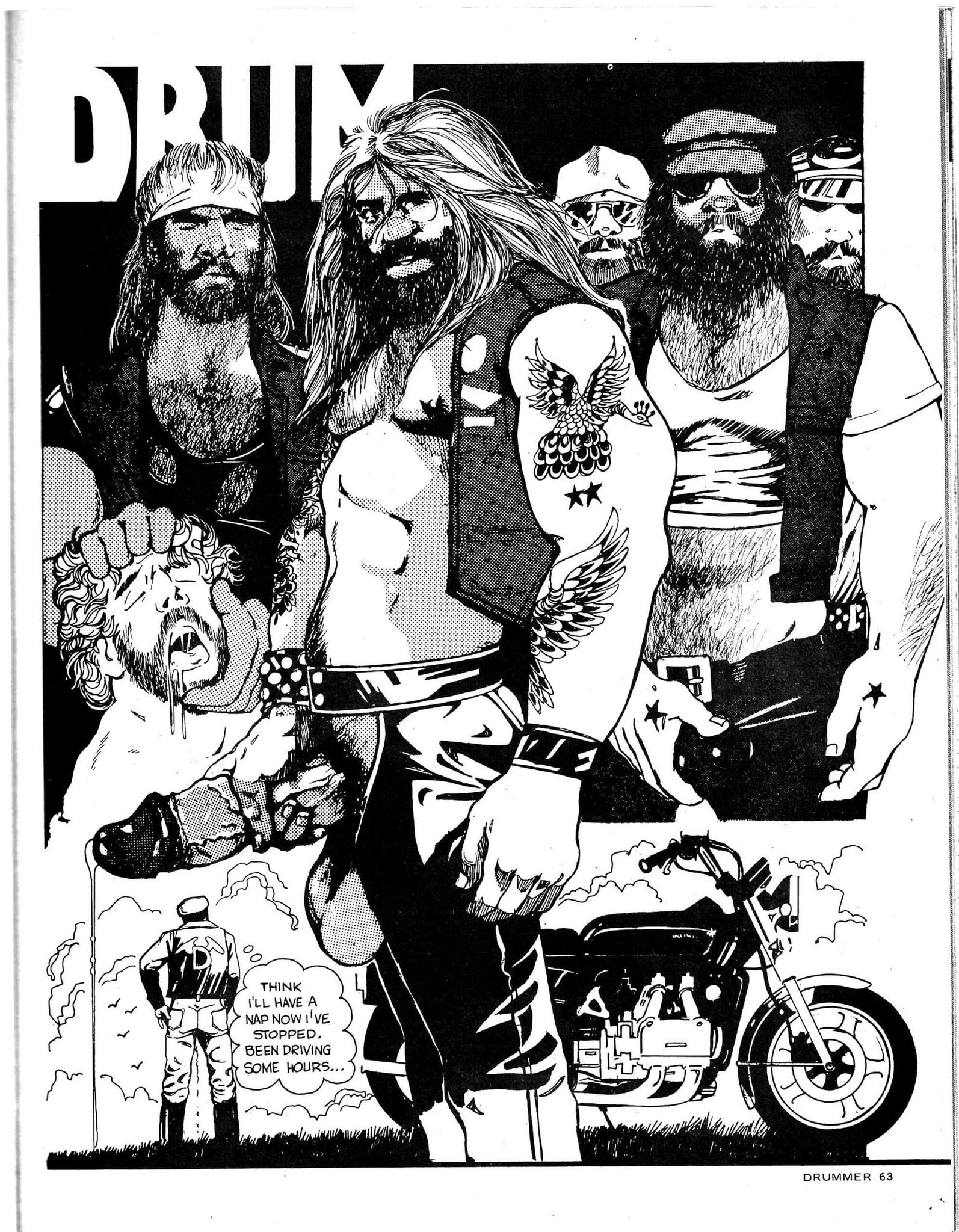
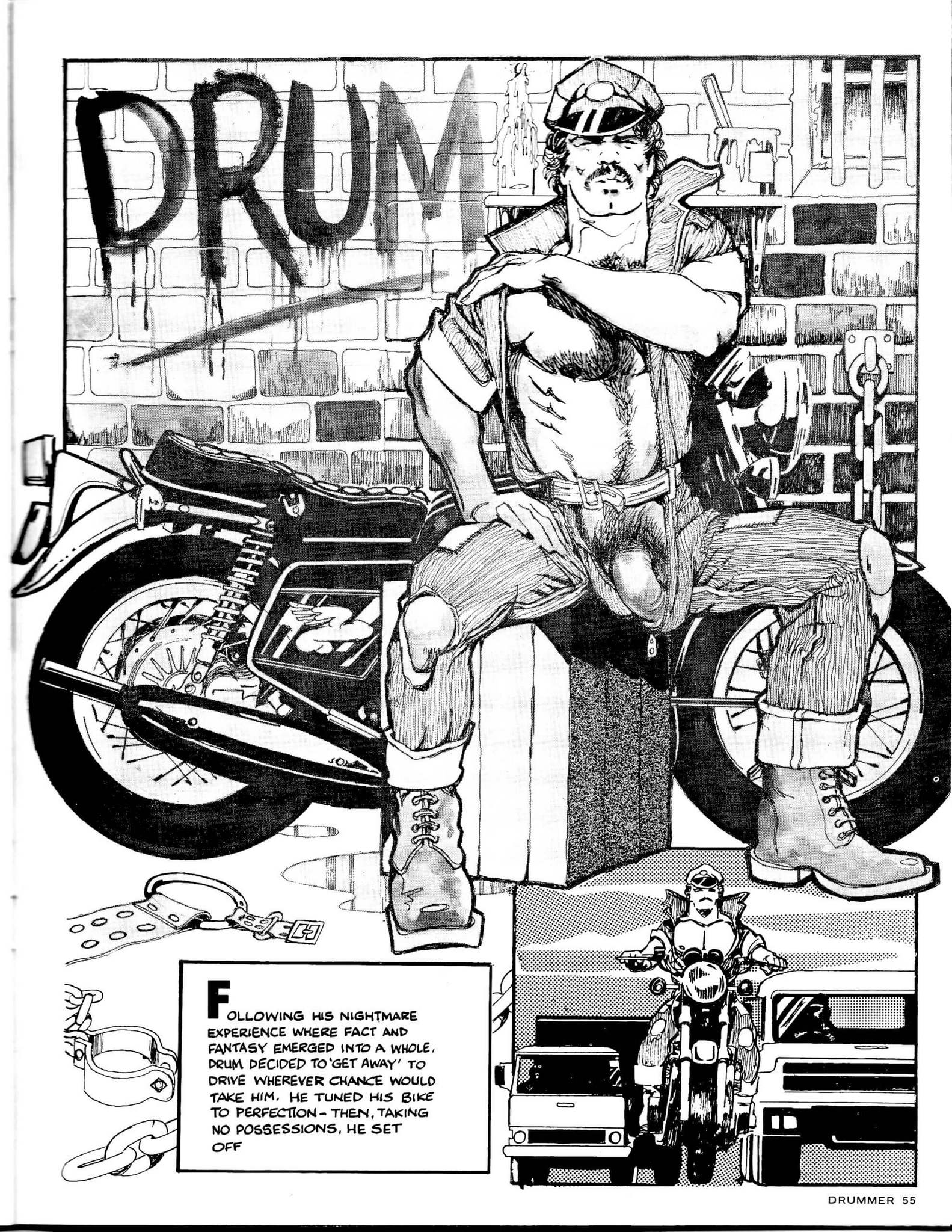
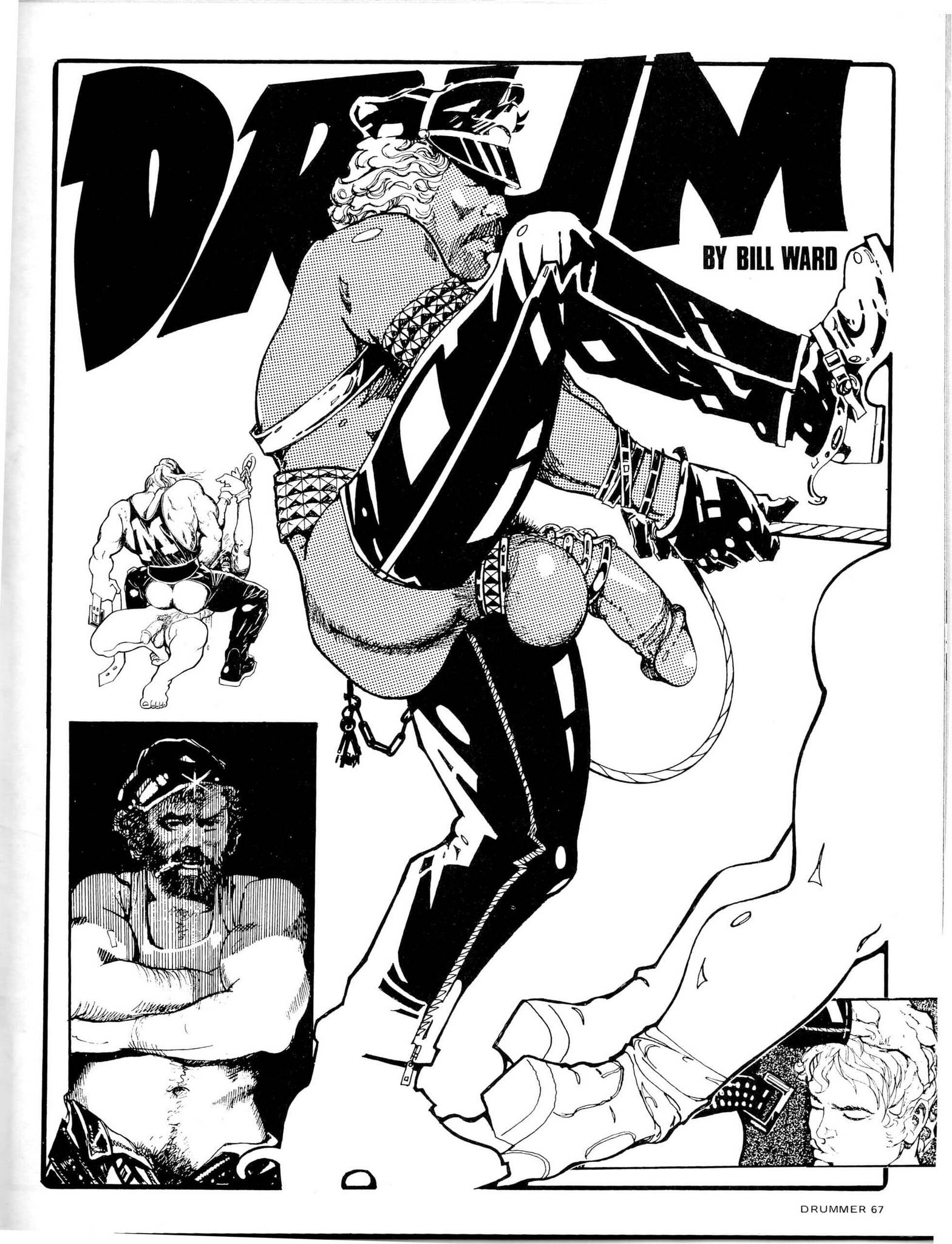
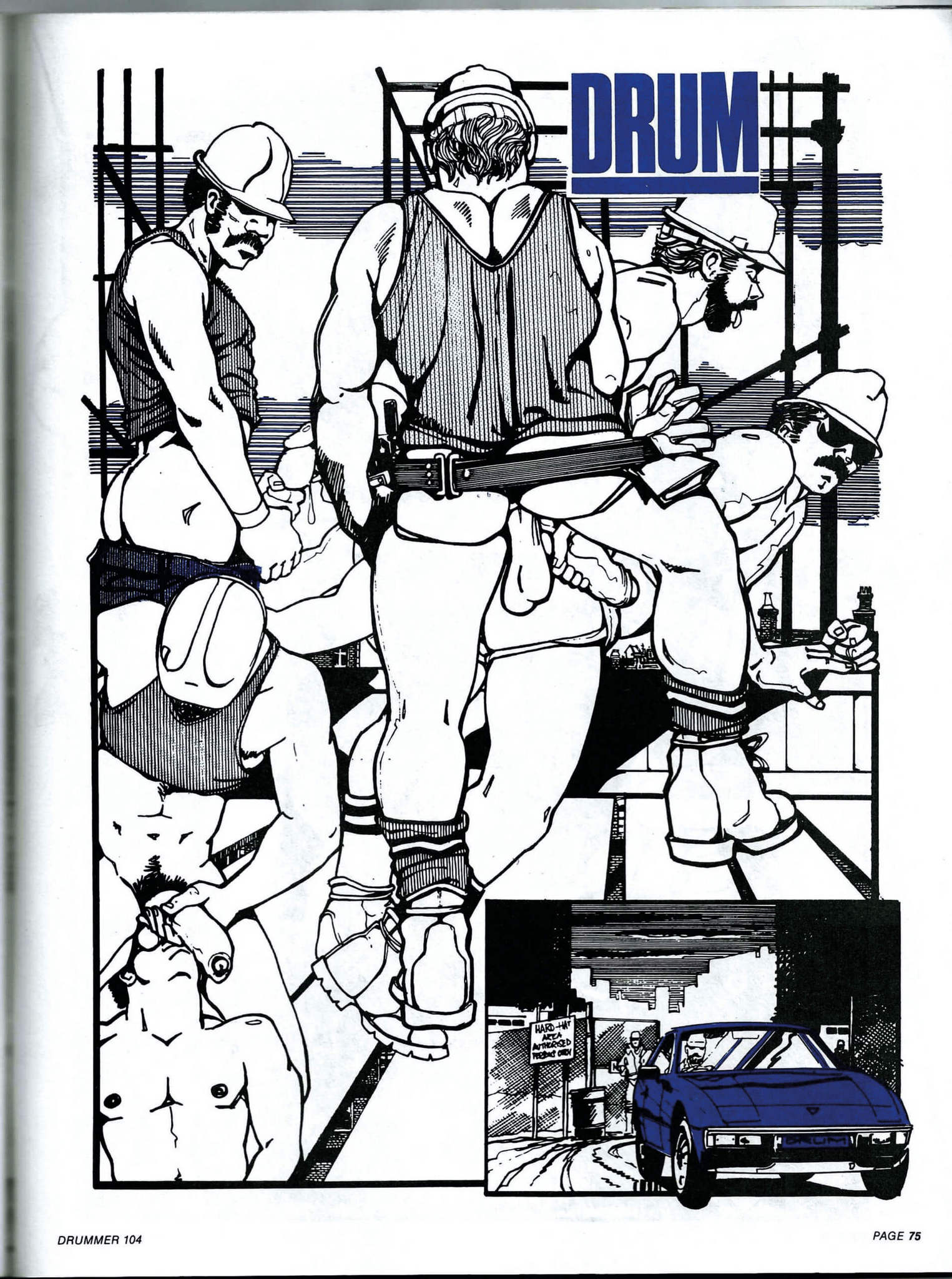
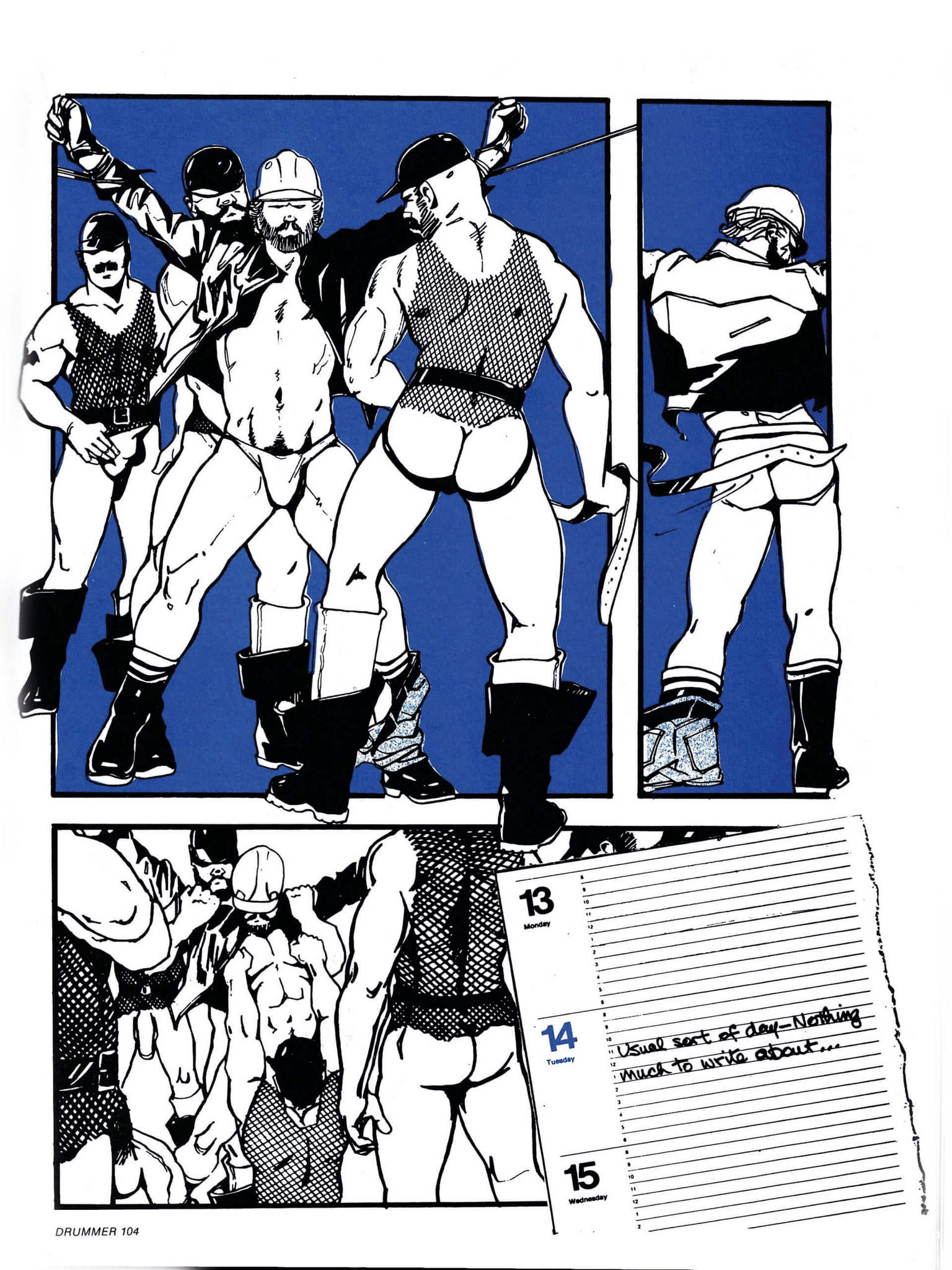
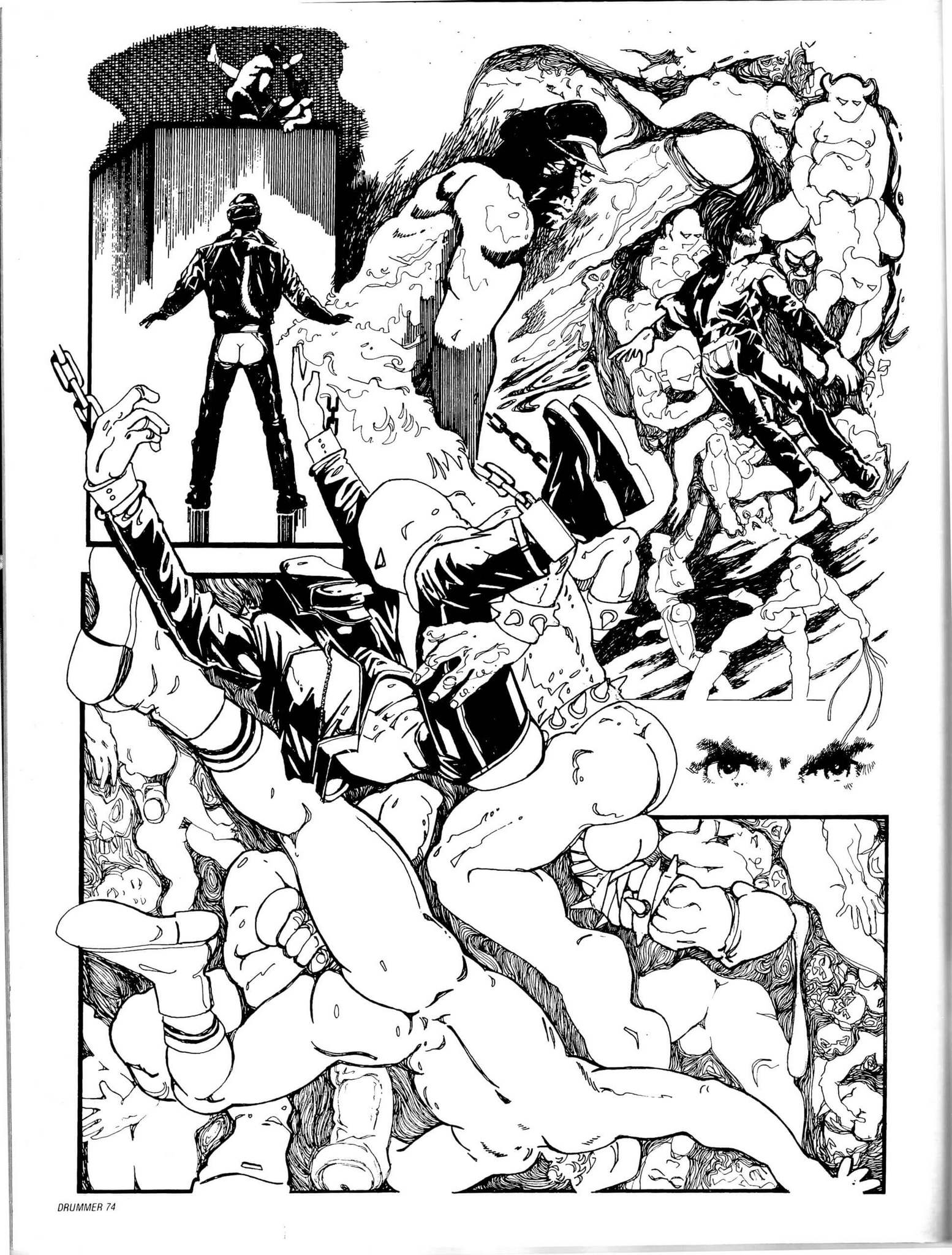
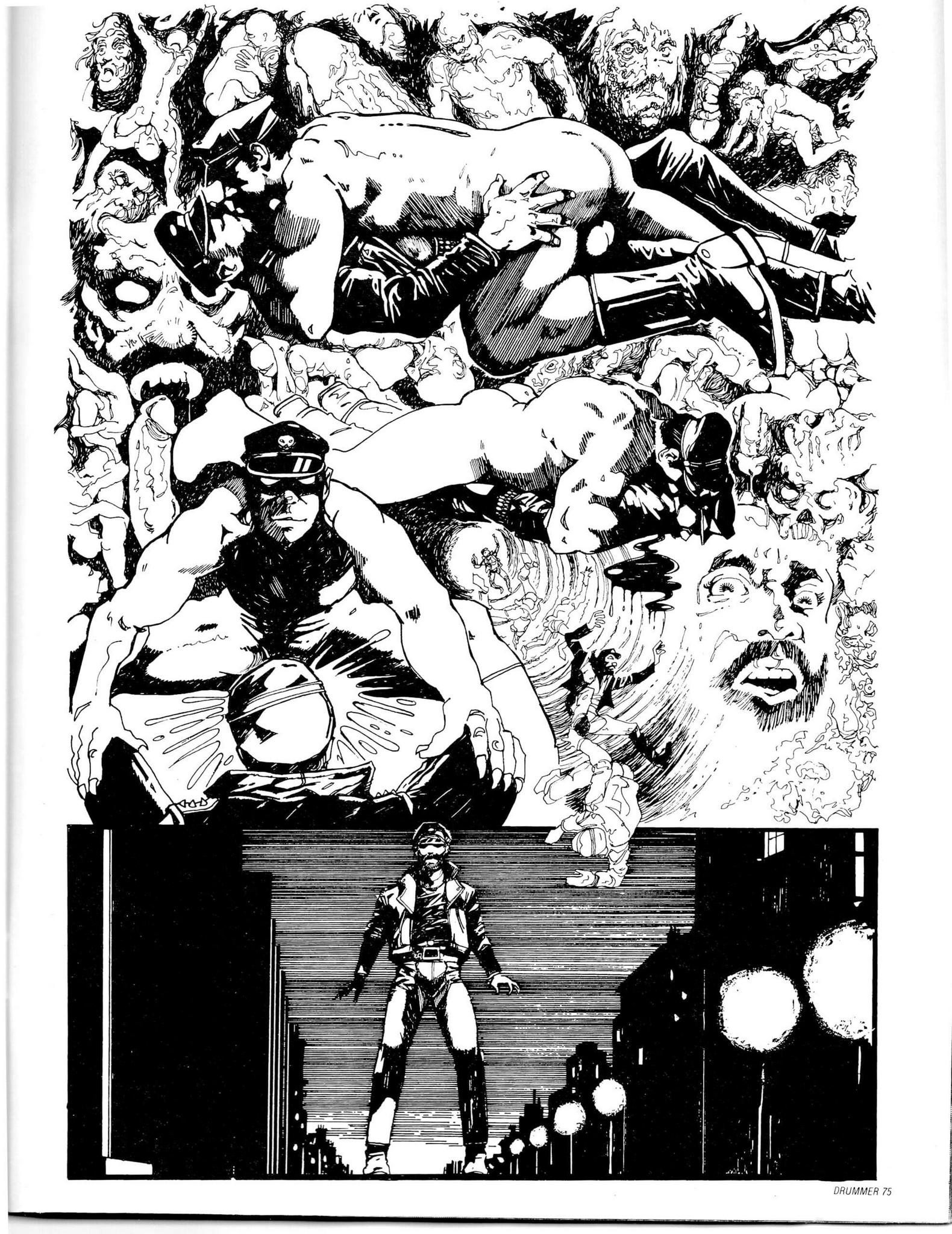
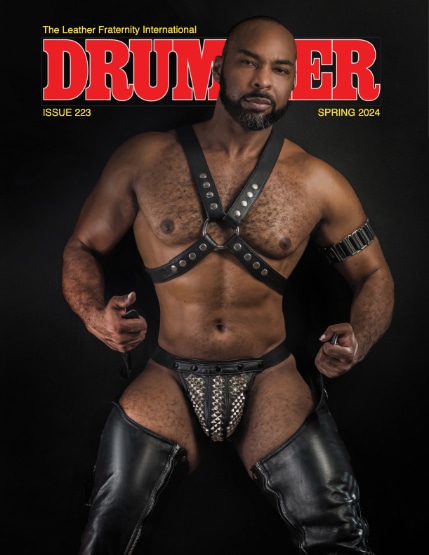
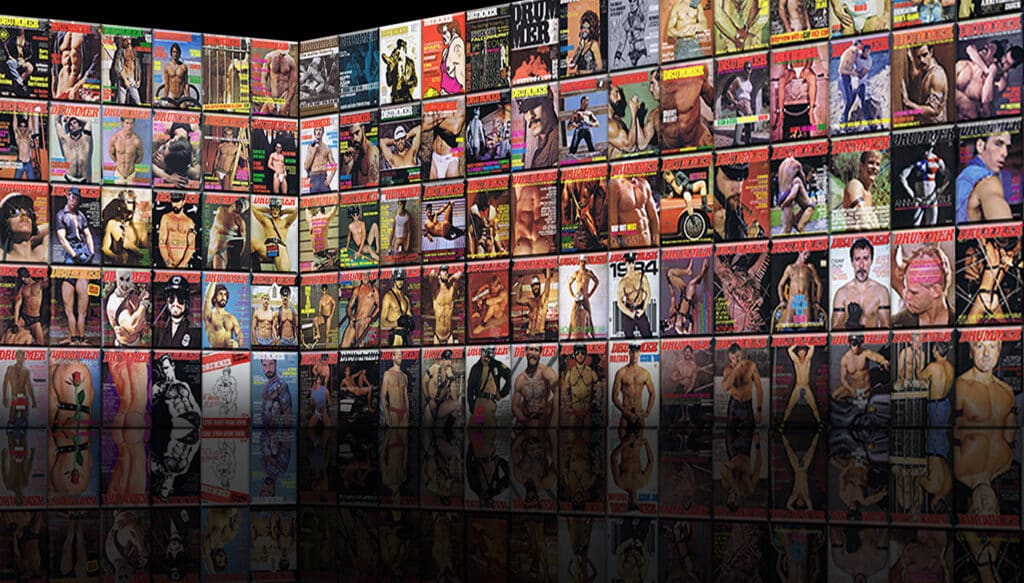
Flip through most back issues of Drummer and you’ll likely find the four-page comic, “Adventures of Drum.” These all-too-brief pages tell the story of Drum and his sexcapades. Drum was a versatile everyman with a shaggy haircut, close-cropped beard, big dick, and thick, muscular build. He usually wore full biker leathers or classic clone attire. This character served as the embodiment of the Drummer man in many ways: he was horny and always looking for trouble. From getting bent over an I-beam on a highrise construction site to being indoctrinated into a subterranean sex cult, Drum’s adventures are the stuff of high fantasy.
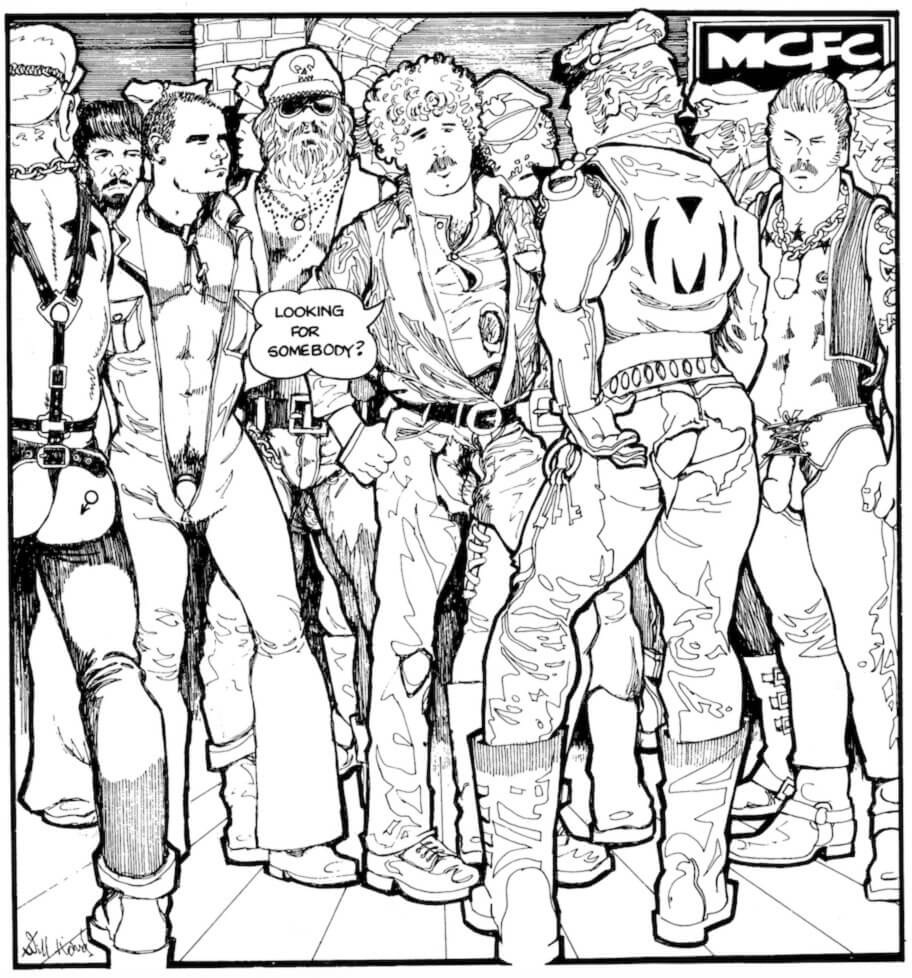
The mastermind behind the realms of meaty cocks, butch get-ups, and fantastic scenarios was artist Bill Ward. His style is instantly recognizable and his work ranks alongside Tom of Finland, Etienne, and The Hun. Ward was prolific and can be credited with turning on a generation of men who found his art among the pages of erotic publications such as Him, Sam, and Daddy in the U.K., as well as Manifest Reader, Stroke, and, most frequently, Drummer in the U.S.
Ward was born in London, England, where he lived his whole life. His publishing career began as a copy boy in newspaper publishing before he became an art editor and graphic artist for children’s comics. From 1951 to ’63, he worked for Fleetway Publications, most notably on their Thriller Comics. This series featured classic characters such as Robin Hood and the Three Musketeers, as well as some original characters such as Captain Flame and Max Bravo.
“His style is instantly recognizable and his work ranks alongside Tom of Finland, Etienne, and The Hun.”
During this time, in ’57, Ward had his first erotic drawings published anonymously in the British physique magazine, Male Classics. For his physique drawings, Ward used the pseudonyms “Titan” and “Tristano,” but in the ’70s, censorship laws for erotic art were relaxed in the U.K. so Ward dropped his pseudonyms, and stopped doing children’s comics.
He devoted his art to depicting gay leather and fetish subcultures full-time and his work shifted noticeably during this era; the men in his gay comics were no longer sveldt young superheroes or physique models, but full-grown lugs.
Ward licensed the King series to Drummer after publisher John Embry discovered the strip in a British magazine. King first appeared in issue five in ’76 and ran through issue 10. With almost identical protagonists, King was very much in the vein of what would become Drum.
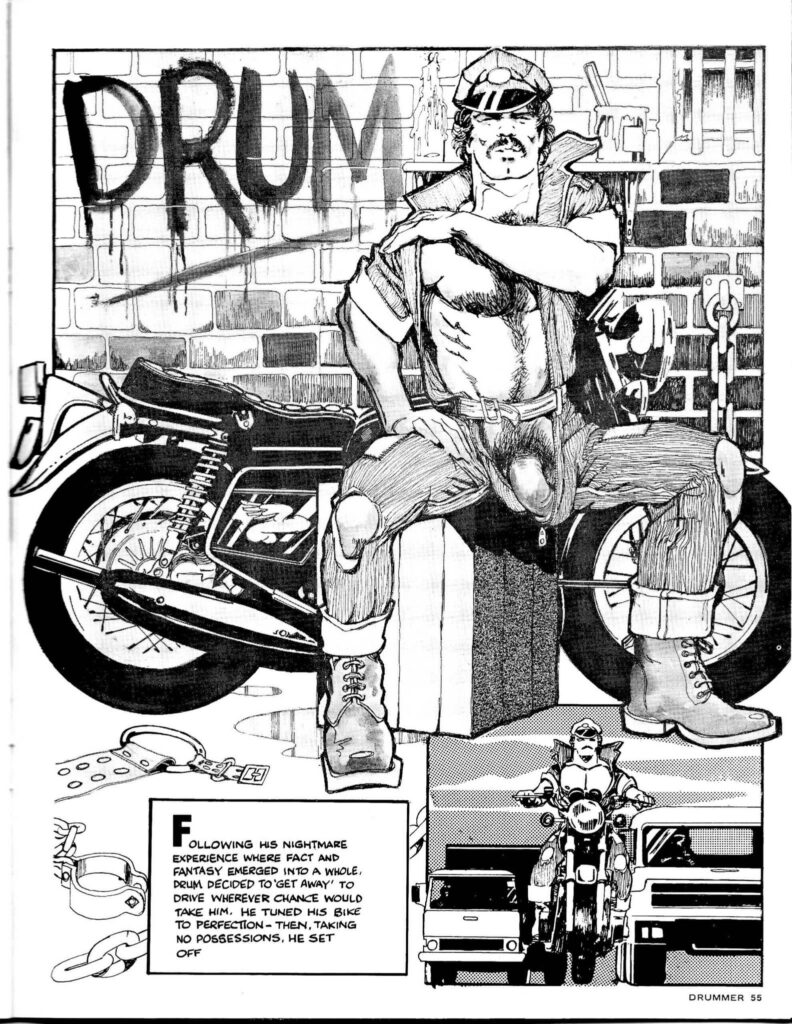
Drum was created exclusively for Drummer, debuting in issue 11. From then on, Ward’s character was the unofficial mascot of the magazine. The opening caption sets Drum up as an aspirational character:
“Drum was a hunter. A wolf who didn’t run with the pack, but preyed upon it. He took what he considered his by right or conquest and enjoyed it to the full. He could be a loyal friend, a hard master, or a dangerous enemy. You were only given one chance. Cross him—and the pain is yours.”
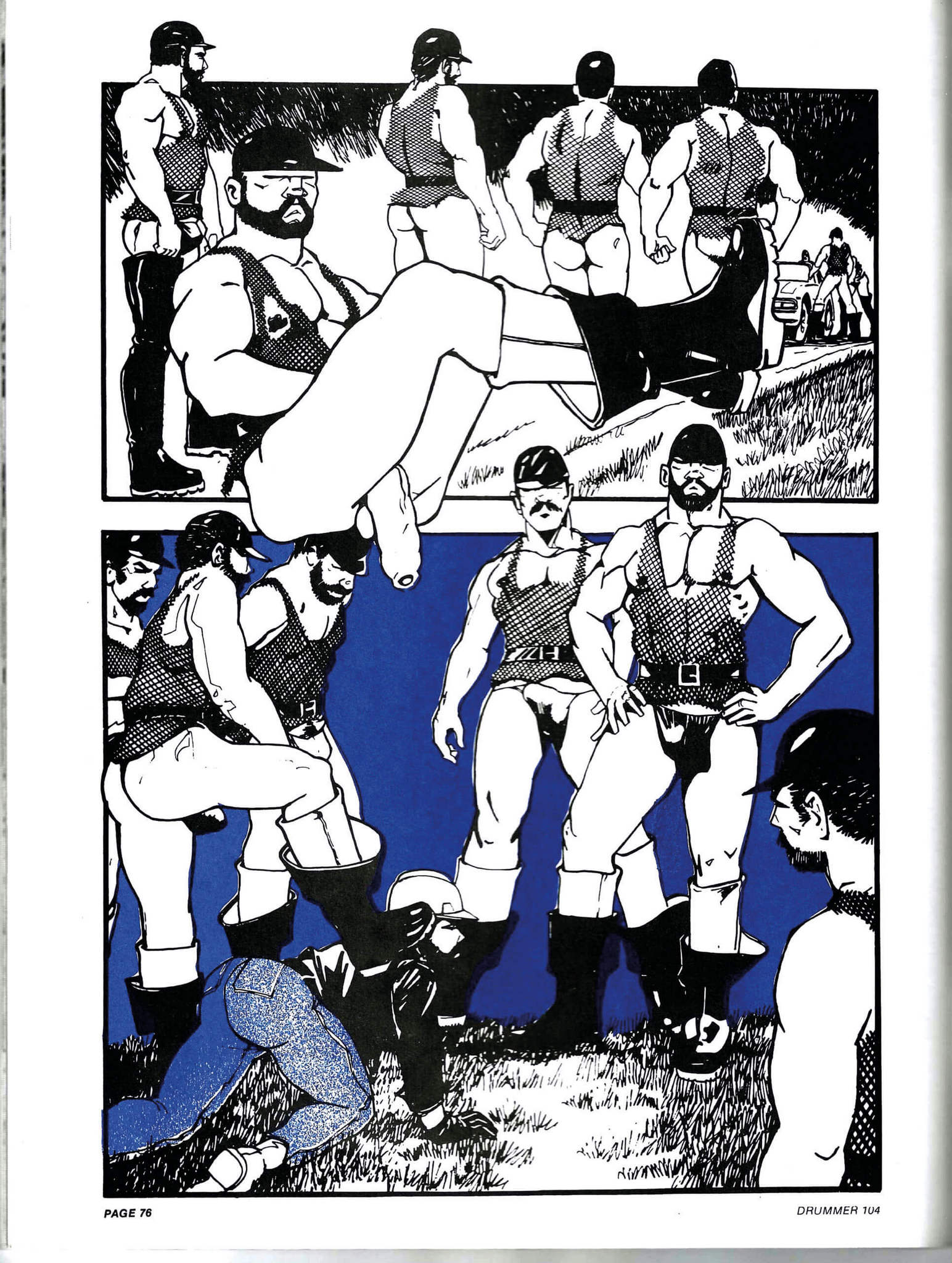
In his adventures, Drum encounters characters like a dopey horsehung construction worker with a beer belly; a greasy, longhaired, incestuous country bumpkin; and a dungeonmaster and his musclebound squad of minions. Ward also created sinister bikers, golden surfers, noble gladiators, horny powerlifters, brutal minotaurs, Black bears—the list goes on.
“From then on, Ward’s character was the unofficial mascot of the magazine.”
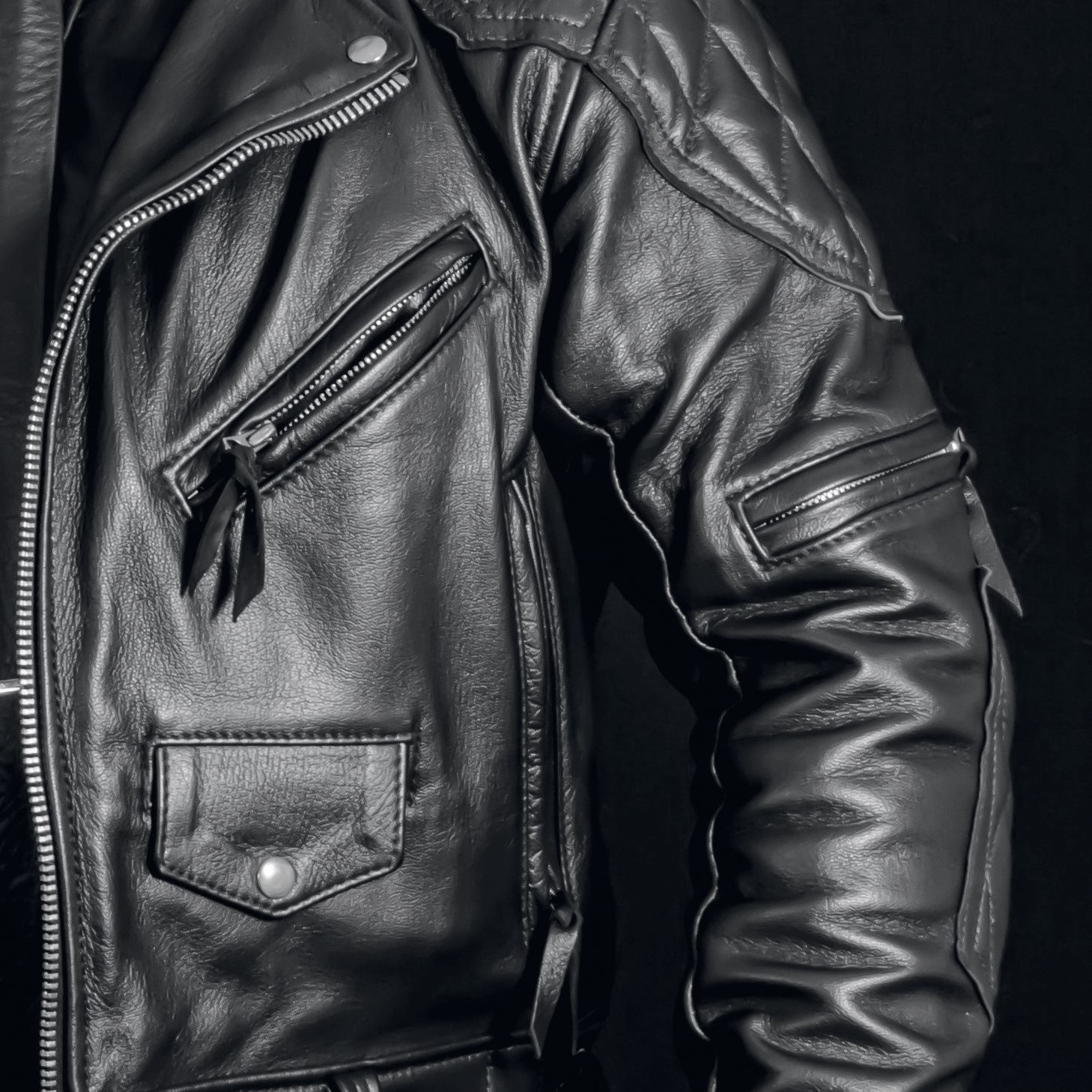
Ward imbued these character types with a rich level of detail. His men come dressed in things like tit clamps, tool belts, studs, muir caps, leather, bulging jockstraps, and flannel. All of these details reflected the style of his readers. They show how deeply observant Ward was as an artist. He took in all of the visual codes from the scene at that time and heightened them through the fantasy world he depicted in his comics.
“His men come dressed in things like tit clamps, tool belts, studs, muir caps, leather, bulging jockstraps, and flannel. All of these details reflected the style of his readers.”
Ward was an active member of the gay biker/leather club, MSC London, which undoubtebly served as a source of inspiration for his art. Leathermen figured the most prominently in his work, especially within the pages of Drummer.
The growth of Drummer through the years raised the profile of Ward in North America, while his work helped define the scene and culture that Drummer propagated. His artwork was legendary and the magazine would not have been the same without it.
Ward was lost to AIDS in ’96, but his vast body of work lives on in the pages of almost every back issue of Drummer. His characters are unmistakable; they practically leap off the page and still invite us, today, to live the heightened fantasies that they depict.