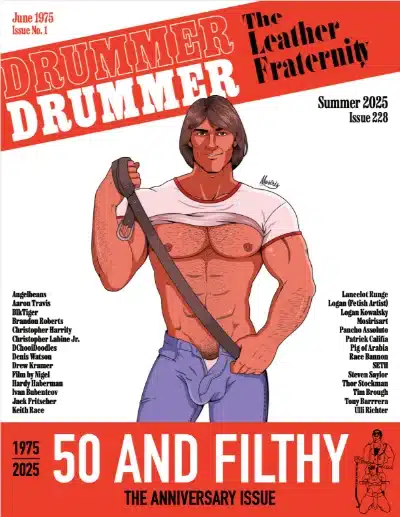
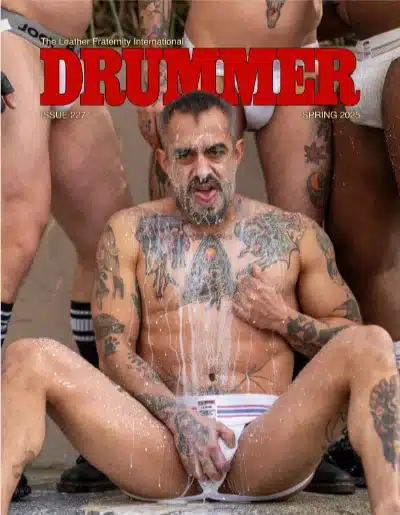
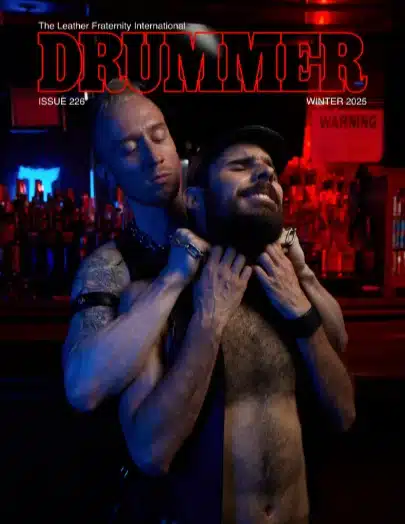
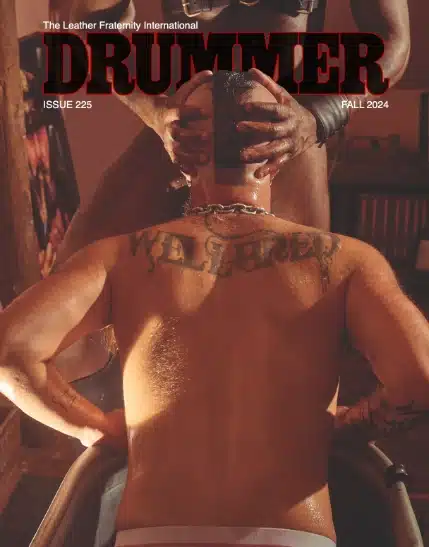

When You First Heard.
“Just looking at my background and growing up in the Bay Area here, I’ve said many times, I was an extremely sexual young man. I went looking for things to read because I intellectualized sex. I wasn’t ‘not’ out. I conceptualized sex to the point where it didn’t make sense to me to “be out” – I just had sex. If I was having sex with a man, with a woman, whatever, two or three of them, all of it was good to me. I didn’t even think about ‘wow, am I gay?’ – I just knew I was having as much sex as possible. It’s the only thing that was in my head, and I didn’t really care who it was with.
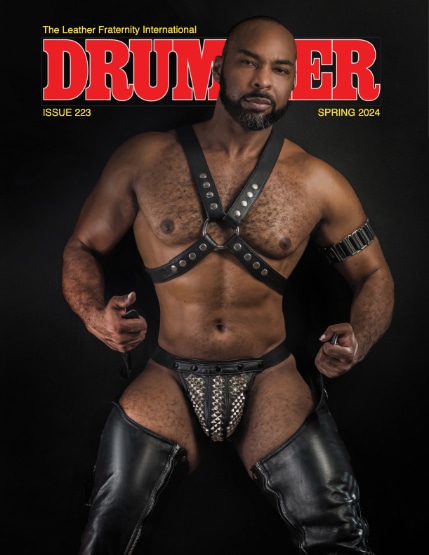
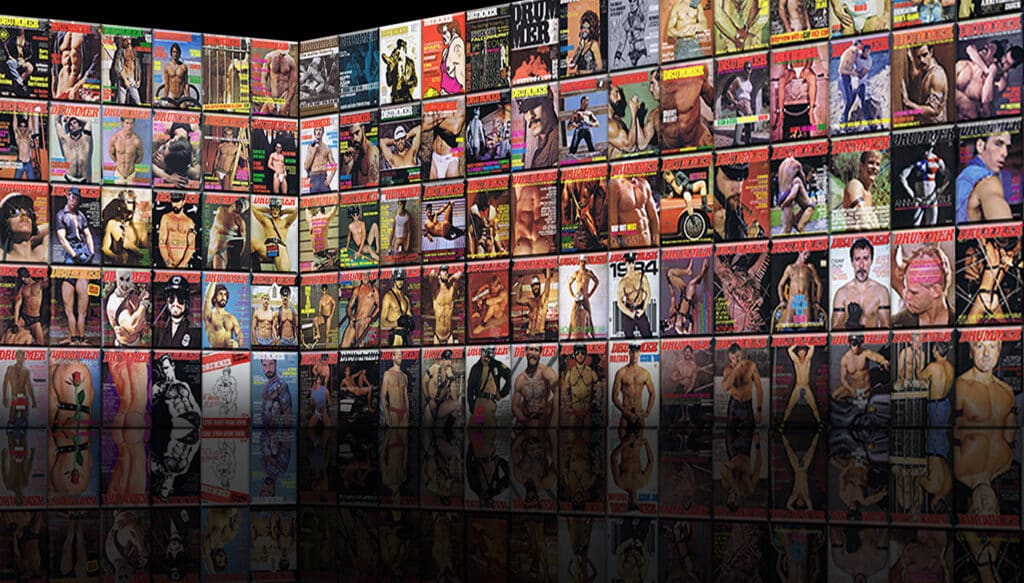
“So that led me to the bookstore on Polk Street. I was in there one day and stumbled across Drummer magazine – everything in it made sense to me. I grew up around sex – sex was just around all the time. One of my uncles was a pimp – I had the experience of seeing that side of it, wondering how this worked and why it worked…I wanted to learn everything. So when I saw Drummer, it kind of looked like the same thing to me. It’s like, ‘he’s owning him and my uncle owned her – apparently this is how the world works’
_____
Becoming The First.
“In the Bay Area, all of this was right here at my fingertips. Drummer was here. All the leading leathermen of the day were here – I was just here with all of these people. I could drop into the Drummer office any time. And just a little backstory– I had hernia surgery. I must have been about 31 – this is before I was Mr. Drummer. The guy who I stayed with to help me heal was the then-editor of Drummer, Marcus Wannacott. So I just had Drummer all around me. It made perfect sense for me to run for Mr. Drummer because everything I knew was Drummer –the magazine…the people at the office – I used to just go by to visit. So that’s what I knew.
“I ran for Mr.drummer because I was told to. I ran for another contest–it was [the] Mr. Santa Clara County contest. I was living in San Jose at the time. I took first runner-up and after that contest, Sky Renfro, who was a judge, walked up to me and said, “Why were you in this contest?” To me, it was like, ‘that’s what people do. I’ve been here for a while and you run for a contest’. He said, “you don’t belong in this contest. You’re a “Drummer.”” And I thought ‘okay…’ So when the Drummer contest came up, I ran. And like I said, I knew all the people so, for me, it was like ‘just do what you’re supposed to do’.
…
“I think the biggest impact for me is what it meant to other people.When it happened, I wasn’t mature enough to understand what had happened to me, really because I lived in San Francisco. It was like, ‘okay, I won an international title – that’s kind of what we do’. I didn’t think it through –I wish I had, I might have approached it differently. But Vi Johnson explained it to me one day just how important that was. It had never occurred to me before that moment that I had a responsibility and it would be a long-term responsibility. So the impact is, what it means to other people and what I can do with that.”
_____
The Influence.
“[Is] as a teacher. For me, again I was hanging out in adult bookstores…and to say that now– I was like 18, 19 years old sitting in bookstores, reading magazines on Polk Street like a common hoe.
_____
The Legacy.
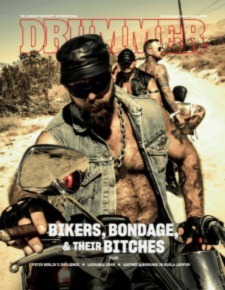
“The significance is not what people think it is. To me I think it’s telling that we have generations and generations of a magazine with only one Black man on the cover. That we had a contest with only one Black man winning that. I think that it shows the imbalance that has gone on for years and years and years and years. I hope when people look at all the covers of those Drummers, I don’t want them to say, “look, there’s a Black man.” I want them to say, “Why aren’t there more Black men on here? Where are all the other men?” So I think my legacy is to say “this can’t happen.This cannot happen. There cannot be one Black Mr. Drummer.
…
“I think, with Drummer turning 50, it shows longevity. It’s changed hands many times and now it’s in your hands. And just look at the cycle of that. I was the first Black Mr. Drummer and now you’re talking to me – who thought that this would ever happen? I think that’s amazing. You know, it’s 50 years and here we are. You’re the first and talking to the first and only [Black] international Mr. Drummer. I think that’s pretty amazing. I think the ancestors are proud.”
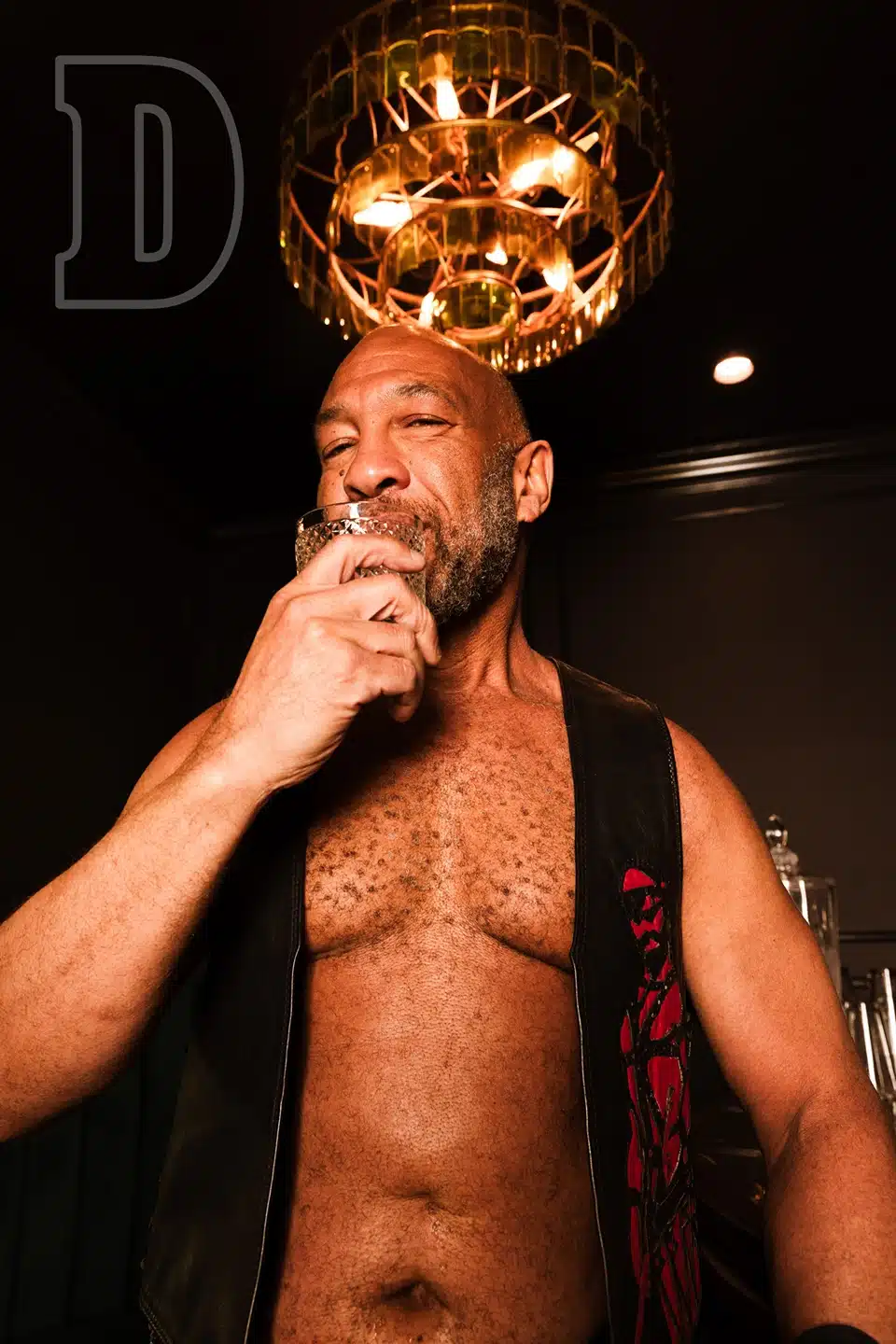
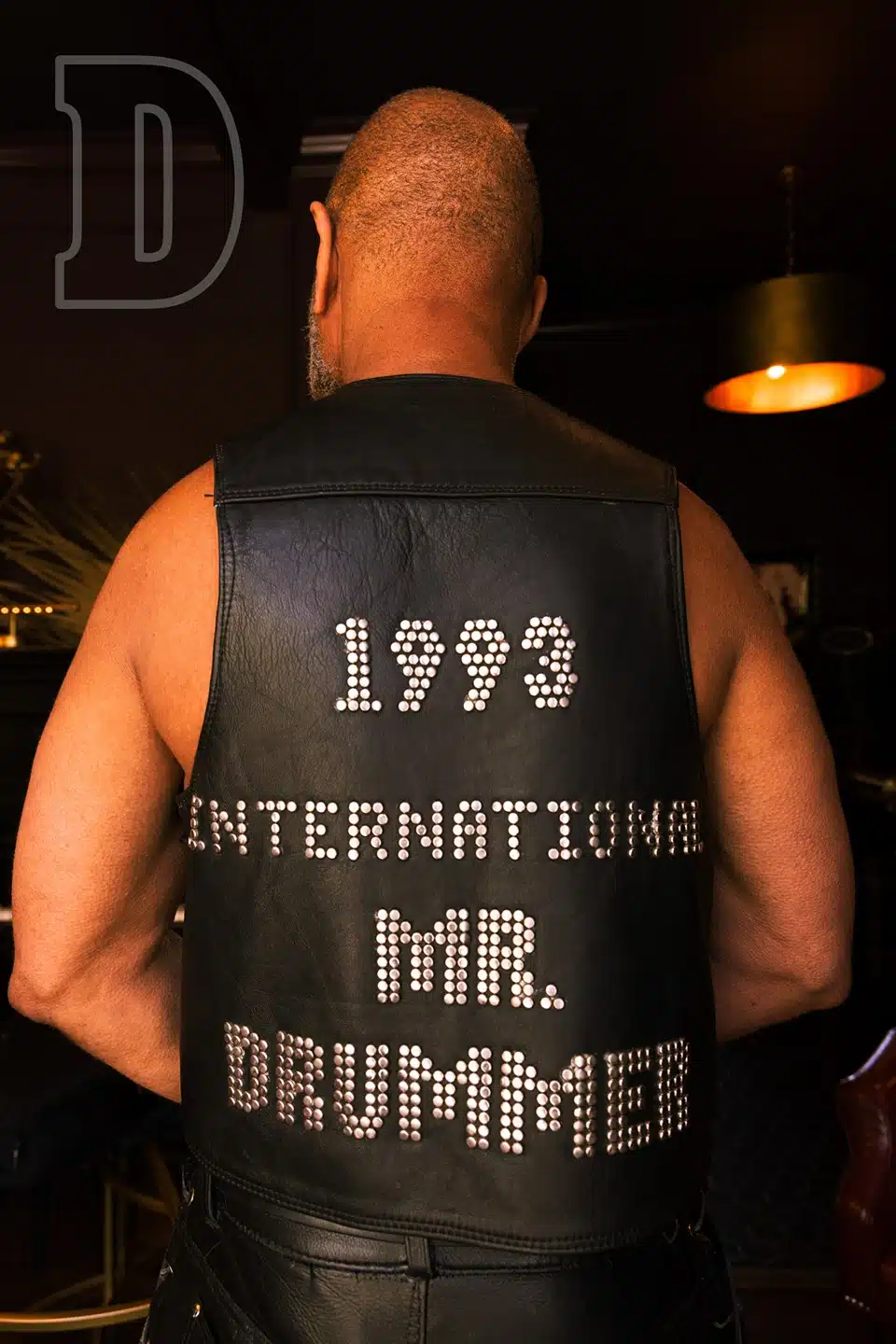
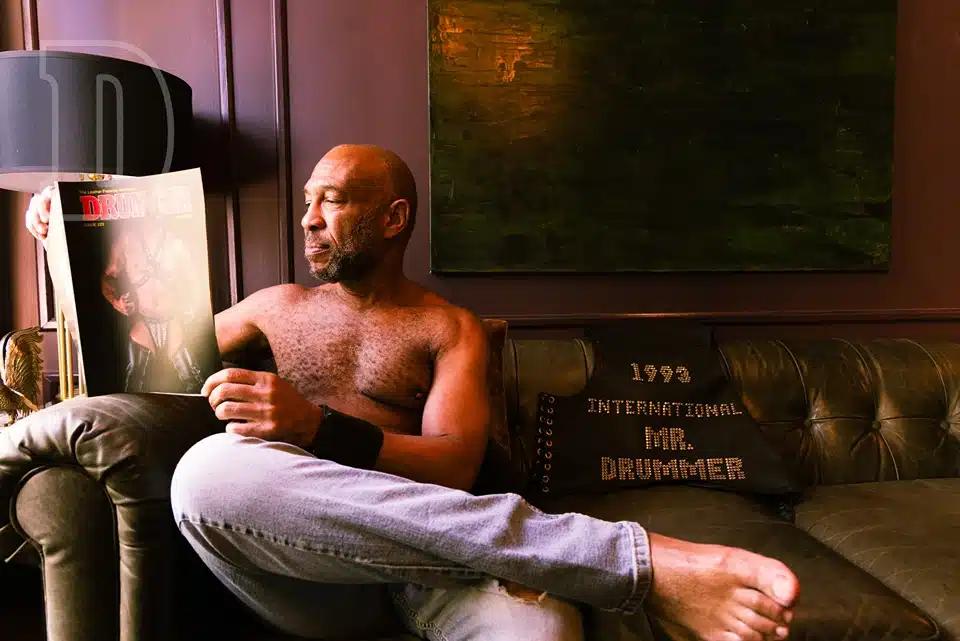
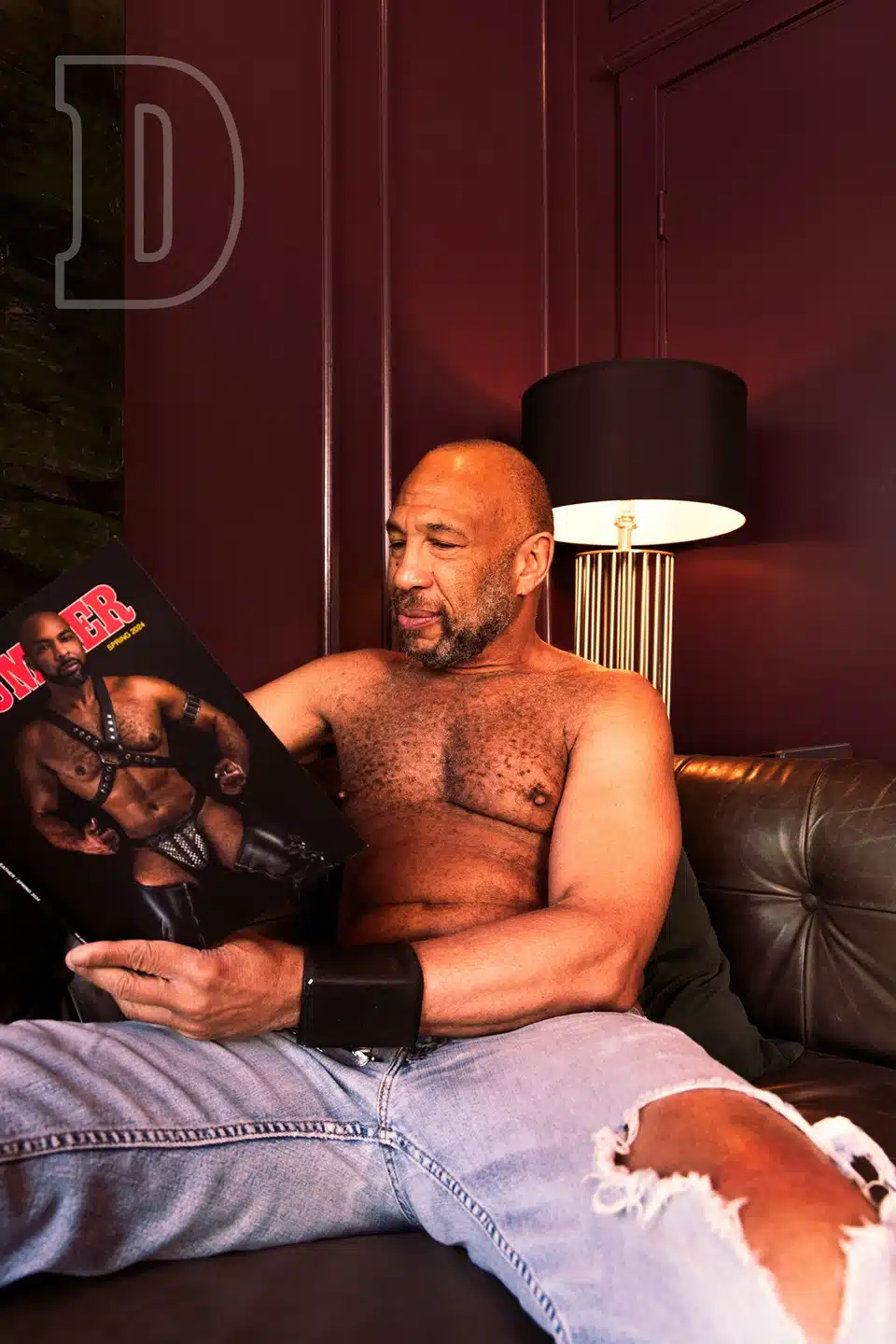
Photo Credit: As Told To Darkqwolf for DRUMMER